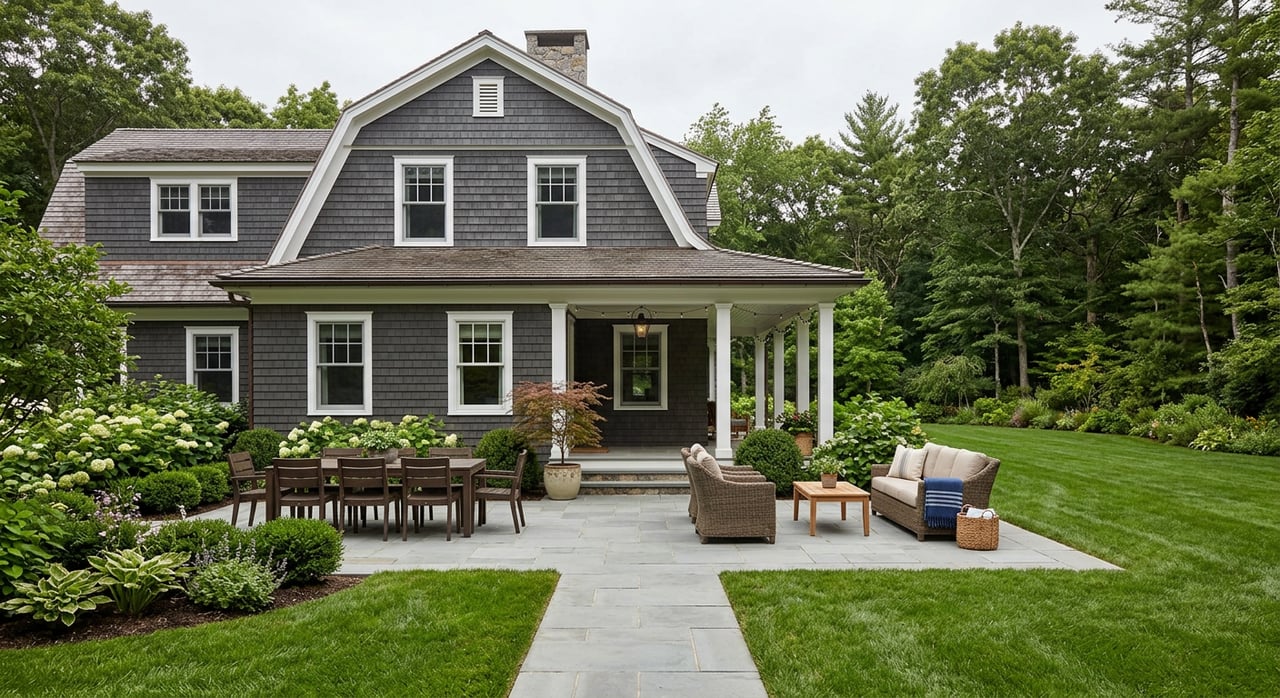
Craving more room to breathe without giving up Greater Boston access? In Sherborn, you can step outside to birdsong, wooded trails, and starry skies while still reaching Boston in a reasonable drive. If you value privacy, land, and outdoor time, this small MetroWest town deserves a closer look. In this guide, you’ll learn how zoning shapes lot sizes, where to find everyday nature, what homes typically cost, and the practical steps to buy with confidence. Let’s dive in.
Space by design: zoning and privacy
Sherborn’s rural-residential character is intentional. The town’s zoning map shows three primary residential districts with minimum lot sizes: Residence A at 1 acre, Residence B at 2 acres, and Residence C at 3 acres. These standards are a key reason you see larger setbacks, longer driveways, and homes tucked into the landscape. You can review the official layout on the town’s Sherborn zoning map.
Sherborn also notes that many homes rely on private wells and septic systems rather than town water and sewer. That infrastructure pattern supports larger lots and limits dense development, which helps preserve a quiet, low-density feel. The town’s overview highlights these fundamentals and confirms its semi-rural profile and location about 18 miles from Boston. For a quick primer on the town’s character, scan About Sherborn.
Explainer: Why lots are big
- Zoning minimums: RA = 1 acre, RB = 2 acres, RC = 3 acres.
- Private wells and septic systems are common, which encourages more land per home.
- Significant open space and conservation land further limit dense build-out.
Everyday nature: trails, river, and Farm Pond
More than half of Sherborn’s land is open space, so daily access to nature is built in. Locals love Rocky Narrows, a Trustees of Reservations property along the Charles River with scenic overlooks and a network of wooded trails. It connects into the Sherborn Town Forest and offers a true “after-work loop” feel. Get a sense of the terrain and access points at Rocky Narrows.
If you want a simple test-drive of the lifestyle, try the Farm Pond loop and a short Rocky Narrows walk on the same day. The Farm Pond loop delivers calm water views and a manageable route that suits a quick run or family stroll. With the Charles River at hand, you can also explore canoeing and longer trail connections, including Bay Circuit segments for weekend adventures.
Farms and small-town rhythm
Sherborn blends working farms and a compact village center. Seasonal and year-round farmstands give you fresh produce, weekend outings, and a true connection to place. Sunshine Farm offers pick-your-own and a well-loved stand for berries, corn, and ice cream. See what is in season at Sunshine Farm. Dowse Orchards, a historic orchard, is another local favorite for apples and cider. Nearby in Dover, Trustees-run Powisset Farm adds a CSA and farm store many Sherborn residents enjoy.
The village center is intentionally small, with historic buildings and local services rather than large retail. For bigger errands, most residents make a short drive to Natick or Framingham. This balance lets you live quietly while keeping daily necessities close.
Home styles and what your money buys
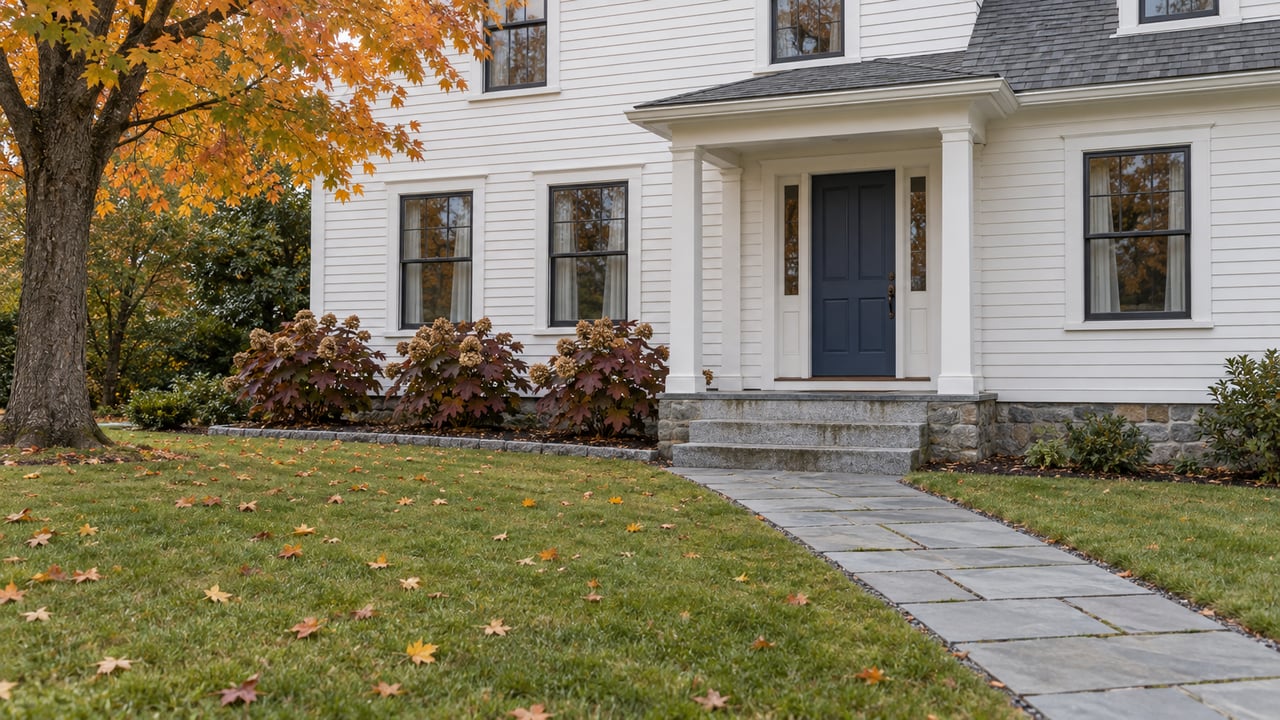
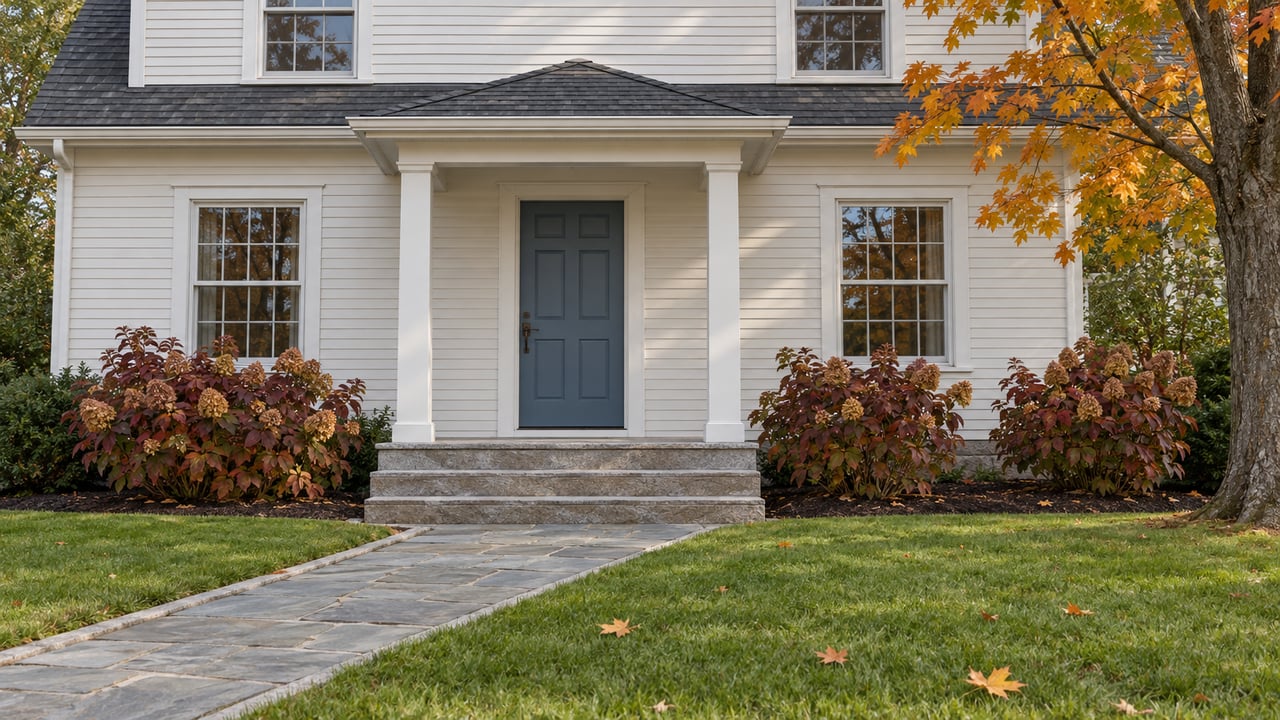
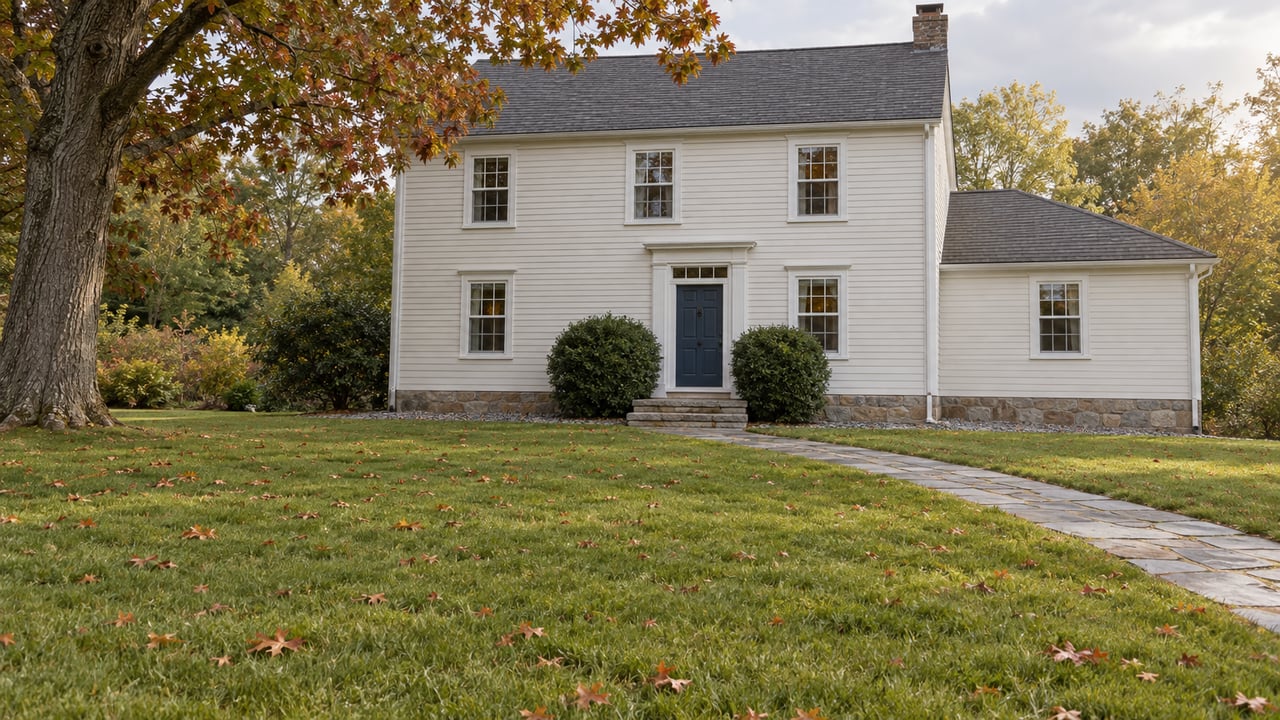
You will find a range of homes set on substantial lots. Historic Colonials and Capes, mid-century ranches on about an acre, and larger modern estates on multiple acres are all part of the streetscape. Acreage often matters as much as square footage, which is why careful lot-by-lot evaluation is smart during your search.
- Smaller to mid-size homes on roughly 1 acre often list in the high $800,000s to low $1 millions, depending on condition and updates.
- Larger 4 to 5 bedroom Colonials on 2 to 3 acres commonly reach into the $1.3 million to $1.8 million range.
- Multi-acre estates, equestrian-ready properties, or river-adjacent parcels extend into the multi-million tier.
Market snapshot: Recent indices place typical single-family values around $1.0 million to $1.2 million, with notable month-to-month swings in this low-inventory market. Use a live MLS feed for the most current pricing and days-on-market data.
Commute and access: the tradeoffs
Sherborn describes itself as roughly 18 miles from Boston, and real-world drive times vary widely by hour and route. Many buyers accept a 30 to 60 minute commute in exchange for acreage and privacy. The town does not have a commuter rail station, so most residents use nearby Natick, West Natick, or Framingham on the Framingham/Worcester line. Transit schedules change, so confirm details through official sources or regional studies such as the Boston MPO’s transit analysis.
How it compares to denser suburbs
If you are weighing Sherborn against Cambridge or Newton, the tradeoffs are clear. Cambridge and Newton offer stronger transit access, shorter trips to central Boston, and denser town centers. Sherborn delivers larger lots, quieter streets, and daily trail access. Median home values in Newton and Cambridge are higher or similar in many segments, while typical Sherborn pricing clusters around the low to mid seven figures. Your decision comes down to land, privacy, and lifestyle versus transit convenience and urban amenities.
Buyer checklist: what to know in Sherborn
- Zoning and lot size: Expect 1 to 3 acre minimums in most residential zones. Review the official zoning map to understand what surrounds a property.
- Wells and septic: Many homes use private wells and septic systems. Plan for a Title V septic inspection and well water test during due diligence. The town’s overview page is a good starting point.
- Schools: Dover-Sherborn Regional schools are consistently highly ranked in Massachusetts. See district data and rankings at Mass School Rankings.
- Recreation: Preview a weekend with Rocky Narrows trails and the Farm Pond loop. Add a stop at Sunshine Farm or Dowse Orchards.
- Pricing: Typical single-family values often fall around $1.0 million to $1.2 million, with smaller homes sometimes below and larger estates above. Check a live MLS feed for current numbers.
- Routing: Commutes and school drop-offs are address specific. Test-drive your likely routes at the times that matter to you.
Who Sherborn fits best
Sherborn tends to attract households that place a premium on land, privacy, and outdoor access. Families who value high-performing schools often put it near the top of the list given Dover-Sherborn’s strong standing. Remote and hybrid professionals find that a slightly longer commute is a fair trade for a quiet home office with views of woods or meadows. Hobby farmers and equestrian buyers appreciate larger lots. Downsizers who want single-level living on about an acre also find options.
Local income data and owner-occupancy patterns point to a buyer pool with strong purchasing power, which supports stable demand for well-located homes. For a demographic view, review Sherborn’s income insights at Neilsberg.
How to buy well in Sherborn
- Start with the land: Walk the lot lines, note topography, and understand where the septic and well are located. Ask about test pits, perc tests, and any recorded wetlands or conservation restrictions.
- Budget for systems: Plan for Title V compliance, potential septic updates over time, and routine well maintenance. Water quality tests are a smart part of due diligence.
- Think ahead on additions: Setbacks and zoning can shape your ability to add a pool, barn, or accessory structure. Review the zoning map and consult the building department before you buy.
- Use current comps, not headlines: In a small town, one month’s data can swing widely. Ground your offer in recent, relevant comparables and the property’s specific land and systems.
When you are ready to explore, you deserve a calm, data-informed process that weighs lifestyle, commute, and long-term value. For tailored guidance on Sherborn and nearby towns, connect with Steve Leavey to Request a Complimentary Market Consultation.
FAQs
Why do Sherborn homes sit on large lots?
- The town’s residential zoning sets 1 to 3 acre minimum lot sizes, and many homes use private wells and septic systems, which support lower density and larger parcels.
Does Sherborn have town water and sewer?
- Many properties rely on private wells and septic systems rather than municipal sewer, so plan for a Title V septic inspection and a well water test during purchase.
How strong are Dover-Sherborn schools?
- Dover-Sherborn Regional schools are consistently highly ranked in Massachusetts; you can review current data at Mass School Rankings.
What outdoor activities are close to Sherborn homes?
- Residents use Rocky Narrows for wooded trails and Charles River views and the Farm Pond loop for quick walks, runs, and water scenery.
How does Sherborn compare with Newton or Cambridge for commuters?
- Sherborn trades transit access for land; you typically drive to commuter rail in Natick or Framingham, while Newton and Cambridge offer closer-in transit and denser amenities. See regional context in the Boston MPO’s transit analysis.
What price range should I expect in Sherborn?
- Typical single-family values often cluster around $1.0 million to $1.2 million, with smaller homes sometimes below and larger estates reaching into the multi-millions; check a live MLS feed for today’s numbers.