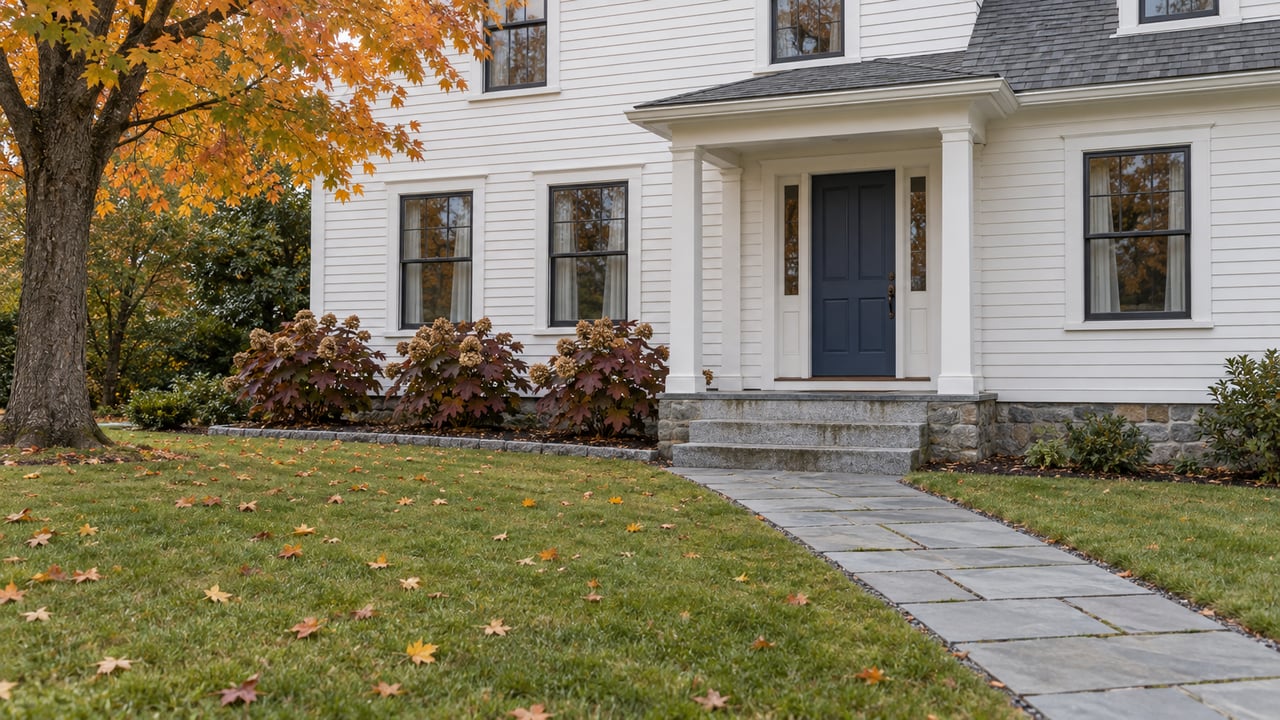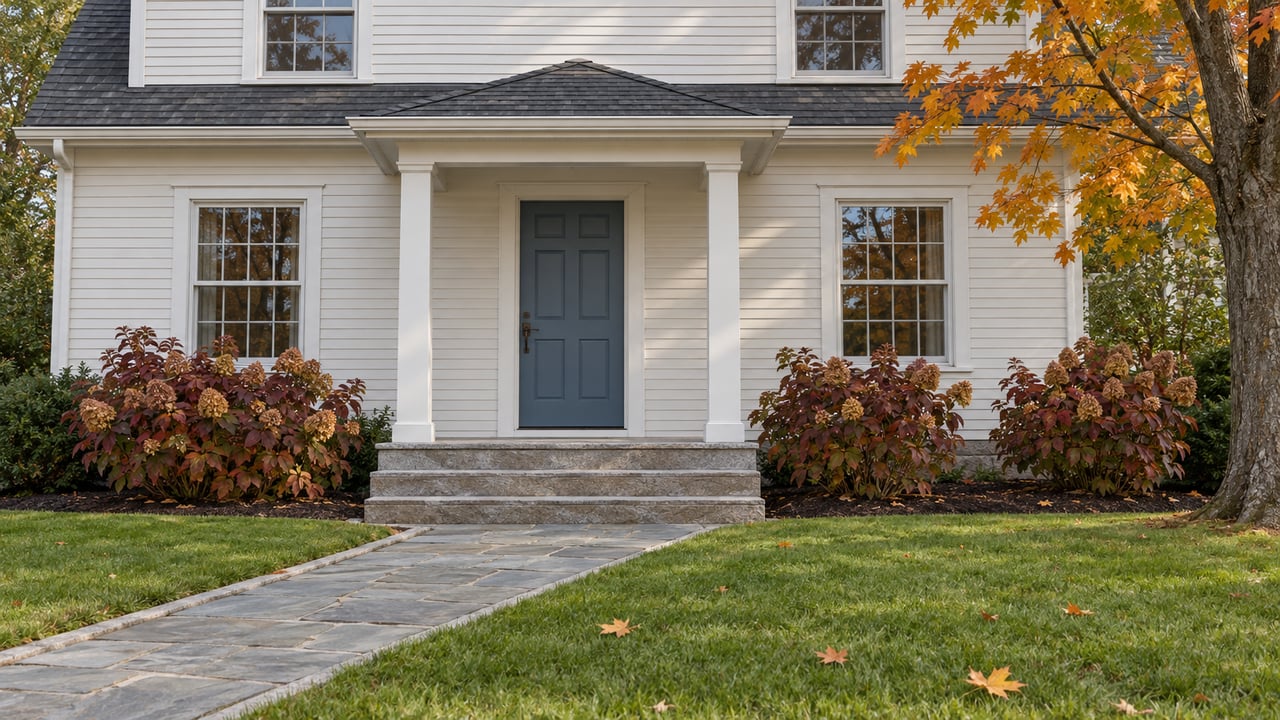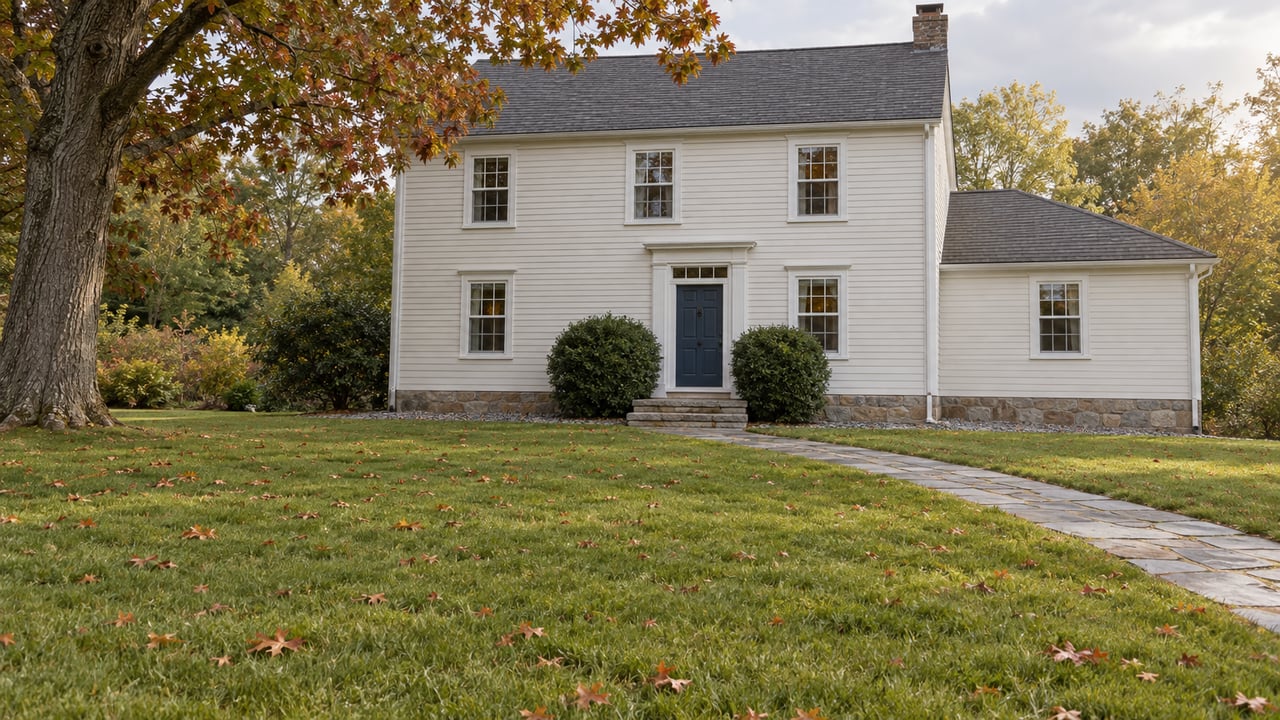
Thinking about buying in Framingham and torn between a single-family home and a condo? You are not alone. In a market where prices, upkeep, and commute needs all pull in different directions, choosing the right property type can shape your budget and daily life for years to come. This guide breaks down the Framingham-specific tradeoffs so you can compare space, cost, convenience, and long-term fit with more confidence. Let’s dive in.
Framingham Housing Choices at a Glance
Framingham still leans heavily toward single-family ownership. City housing data shows that 93% of owner-occupied units are single-unit homes, which helps explain why many buyers start their search there.
At the same time, inventory remains tight. The city reports that single-family dwelling permits stayed below 15 per year from 2021 through 2025 after peaking at 82 in 2016, so new supply has not kept pace with demand.
That pressure shows up in pricing. From 2014 to 2024, the city's housing report shows median sale prices rising from about $338,950 to $655,000 for single-family homes and from about $136,000 to $355,000 for condos.
Single-family homes also move in greater volume. In 2024, Framingham recorded 428 single-family sales compared with 110 condo sales, which reflects the city’s larger base of detached housing.
Compare Price Points in Framingham
For many buyers, the first major difference is the entry price. Based on the city’s 2024 medians, condos offer a much lower purchase-price starting point than single-family homes in Framingham.
That gap can be meaningful if you want to stay flexible with your down payment, monthly payment, or renovation budget. A lower purchase price may also give you room to prioritize location or hold cash back for future plans.
Current listings tell a similar story, though list prices vary widely by condition, size, and location. Recent search snapshots showed condo listings generally ranging from about $149,900 to $379,999, with one new-construction outlier at $1.425 million, while single-family listings ran from the mid-$500,000s to $3.395 million, with many clustered around $650,000 to $1 million.
Monthly Costs Matter More Than Sticker Price
A lower purchase price does not always mean a lower monthly commitment. In Framingham, you will want to compare property taxes, HOA dues, insurance, and expected maintenance before deciding which path feels more comfortable.
Framingham’s FY2026 residential tax rate is $11.83 per $1,000 of assessed value. Using the 2024 median sale prices, that works out to roughly $7,749 per year for a single-family home at $655,000 and about $4,200 per year for a condo at $355,000, before exemptions.
Those numbers help show why condos can feel more accessible at first glance. Still, HOA dues can narrow the gap depending on the building and what the monthly fee includes.
In the current Framingham condo market, sample listings show HOA fees from about $171 to $666 per month. Those fees may cover items like water, exterior maintenance, landscaping, laundry access, parking, heat, hot water, trash removal, snow plowing, or amenities such as a pool or fitness center.
Condo Living Means Shared Governance
In Massachusetts, a condo is privately owned but governed through its master deed, deed, bylaws, and Chapter 183A. The state also requires common expenses to be assessed to units, requires an adequate replacement reserve fund, and places common-area maintenance and repairs under the organization of unit owners.
In practical terms, that means part of your monthly housing cost may go toward shared responsibilities rather than repairs you handle on your own. It can be a major benefit if you want less exterior upkeep, but it also means living within the rules and budget structure of the association.
Some costs may be assigned more directly depending on the unit or limited common areas. If you are considering a condo, it is smart to review the fee structure, reserve planning, and maintenance responsibilities early in the process.
Single-Family Homes Offer More Control
If control is a top priority, a single-family home will often be the better fit. You generally have more freedom over maintenance timing, outdoor use, and updates to the property, subject to local rules and permit requirements.
That autonomy is one reason detached homes remain the dominant ownership choice in Framingham. Buyers who want more privacy, yard space, or flexibility often prefer this path even when the upfront cost is higher.
The tradeoff is that more responsibility stays with you. Exterior repairs, landscaping, snow removal, and system updates do not get spread across shared dues.
Framingham Lifestyle Can Shape the Right Choice
Your day-to-day routine matters just as much as your budget. Official city materials describe Framingham as halfway between Boston and Worcester, with access to I-90, Route 30, Route 9, Logan Express, and commuter rail.
Downtown Framingham is described by the city as a dense, walkable area with a commuter rail stop and cultural amenities. For buyers who want easier access to transit and services, that setting can make condo living especially appealing.
Commute patterns support that idea. The city says 28,151 residents leave Framingham for work, representing 84.4% of the labor force, so location and ease of travel can play a big role in how satisfied you feel after the purchase.
If you value convenience and lower exterior upkeep, a condo near downtown or transit may align well with your routine. If you care more about private outdoor space and separation from neighbors, a single-family home may feel like the stronger long-term fit.
Older Housing Stock Changes the Math
Framingham’s housing stock is not especially new, and that should factor into your planning. The city says 77% of housing units were built before 1980.
The same market analysis reports that 37% of all units have at least one major housing problem. That does not mean every property will need significant work, but it does mean buyers should look closely at condition, systems, and expected near-term repairs.
This is especially important with older single-family homes, where you may be directly responsible for larger-ticket exterior and mechanical updates. A condo can shift some building-related maintenance into shared governance, though that does not eliminate the need to understand the building’s condition and reserves.
Five Questions to Ask Before You Choose
When two properties seem appealing for different reasons, a simple side-by-side comparison can help clarify the better fit. Start with these questions.
How much monthly flexibility do you want?
A condo may lower the purchase price, but HOA dues can raise your fixed monthly cost. A single-family home may cost more upfront, yet you have more control over when certain maintenance projects happen.
Do you want control or convenience?
If you want more say over the property, single-family living usually gives you that. If you would rather share responsibility for exterior maintenance and common areas, a condo may be more comfortable.
Is your priority space or location?
Single-family homes usually offer more private space. Condos can make it easier to buy in a more central area, especially near downtown Framingham and commuter options.
How long do you expect to stay?
If this is a shorter-term move, lower upkeep and easier day-to-day ownership may matter more. If you are planning around long-term lifestyle needs, space and control may carry more weight.
What does the property need in year one?
In an older housing market, immediate repair needs can change the real cost of ownership fast. Look beyond the asking price and compare what the house or building may need soon after closing.
A Practical Way to Decide
In Framingham, the choice is usually not about which property type is better in the abstract. It is about which one matches your budget, your routine, and how hands-on you want to be.
Single-family homes remain the dominant local product and often appeal to buyers who want more space, privacy, and control. Condos usually lower the entry point and can simplify exterior maintenance through shared governance and dues.
The best decision comes from looking at the full picture, not just the list price. When you compare taxes, fees, commute patterns, condition, and lifestyle goals together, the right answer often becomes much clearer.
If you want help weighing real numbers across Framingham listings, Steve Leavey can help you compare your options with a local, data-informed approach.
FAQs
What is the main difference between single-family and condo living in Framingham?
- Single-family homes usually offer more space, privacy, and control, while condos typically have a lower purchase price and include shared maintenance through HOA dues.
Are condos more affordable than single-family homes in Framingham?
- Based on the city’s 2024 median sale prices, condos at about $355,000 were significantly less expensive than single-family homes at about $655,000, though monthly HOA dues can affect the total cost.
How do Framingham property taxes compare for condos and single-family homes?
- Using the FY2026 residential tax rate of $11.83 per $1,000 assessed value, the 2024 median single-family price implies about $7,749 in annual taxes and the 2024 median condo price implies about $4,200 before exemptions.
Why do some Framingham buyers prefer condos near downtown?
- Downtown Framingham offers a dense, walkable setting with a commuter rail stop and cultural amenities, which can appeal to buyers who want easier access to transit and less exterior upkeep.
What should buyers watch for in older Framingham homes?
- Because 77% of Framingham housing units were built before 1980, buyers should pay close attention to systems, exterior condition, and likely year-one repair or update needs.