Wondering whether you need a full renovation before you list your Holliston home? In most cases, you do not. If your house is older, the smartest pre-sale updates are usually the ones that make it look well cared for, functional, and easy for buyers to picture themselves living in. With so much of Holliston’s housing stock built decades ago, buyers already expect character and age. What they respond to most is clean condition, thoughtful presentation, and updates that solve obvious pain points. Let’s dive in.
Why older homes are normal in Holliston
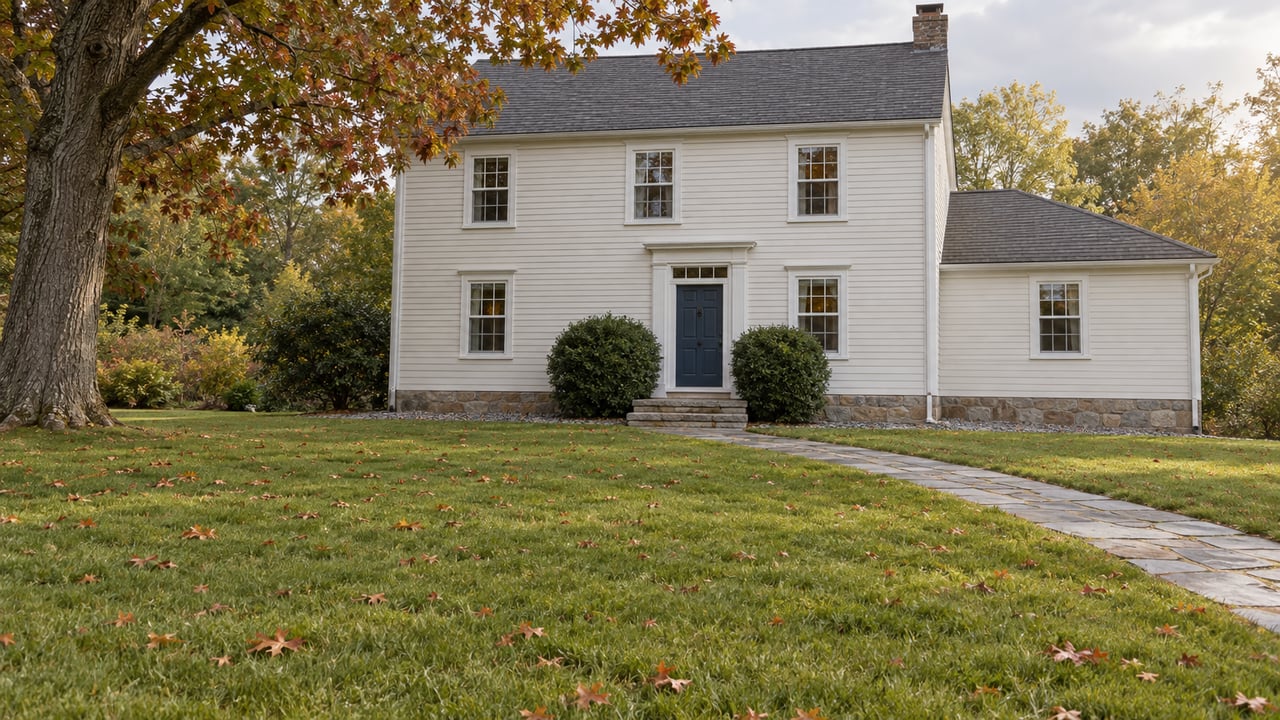
Holliston is a market where older homes are part of the norm, not the exception. Town housing materials say about 84.4% of the housing stock is single-family, and many owner-occupied homes were built between 1960 and 1979, with another 33.7% built in 1959 or earlier.
That matters when you prepare to sell. You are usually not trying to make your home compete with brand-new construction. You are trying to show buyers that your home has been maintained, updated where it counts, and priced with the local market in mind.
Current market conditions support that approach. Redfin’s May 2026 snapshot shows a median sale price of $728,564, with 59.1% of homes selling above list and a median of 19 days on market. In a market like that, buyers are clearly willing to buy older homes, but homes that feel fresh and move-in ready still tend to stand out.
Focus on visible condition first
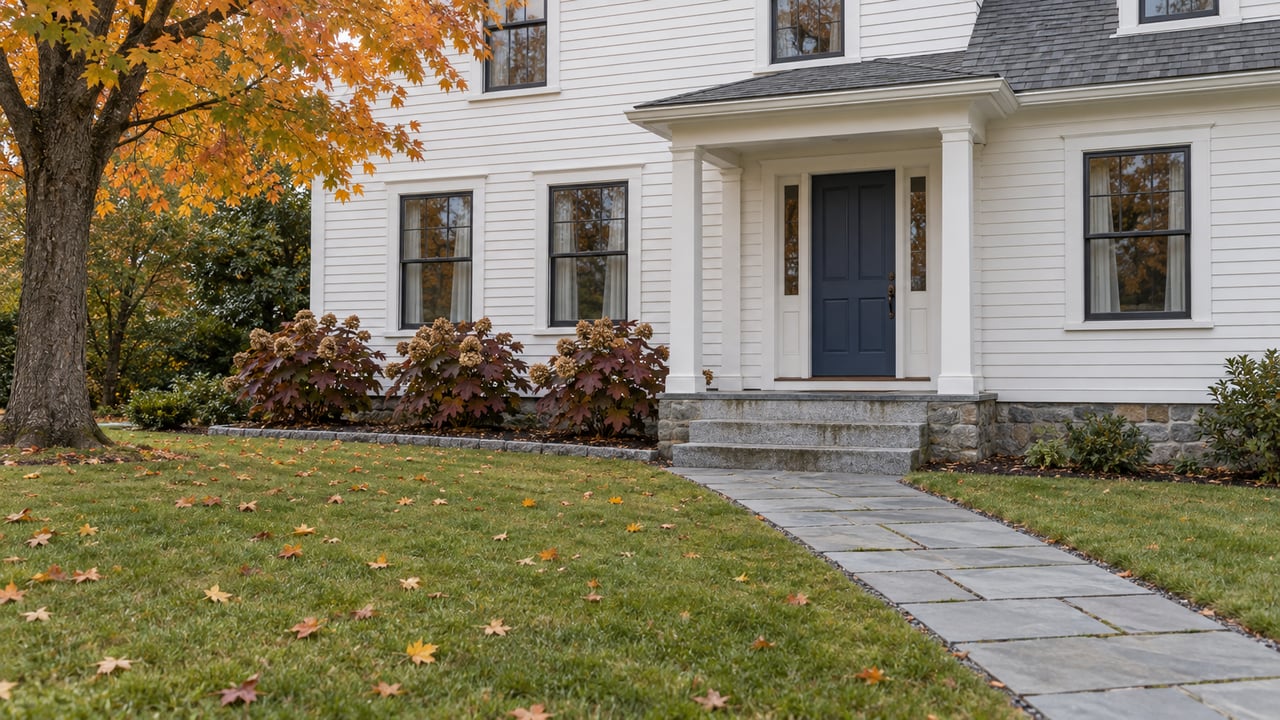
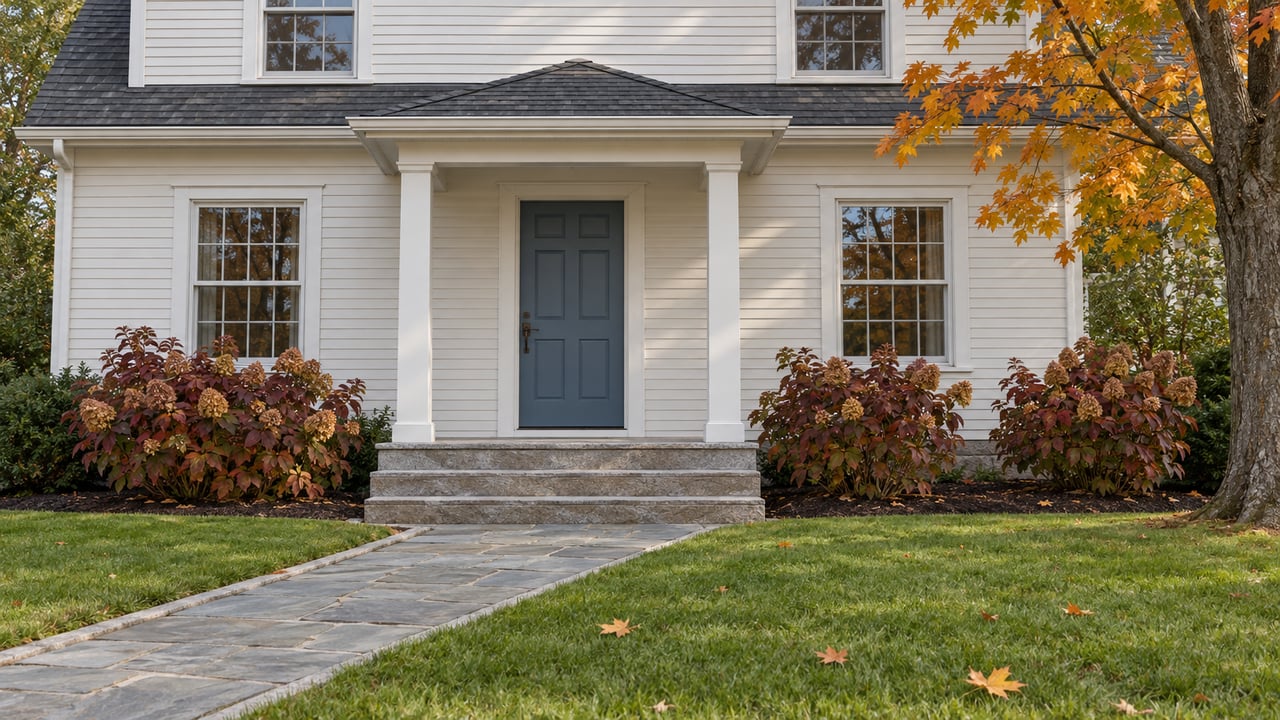
If you are deciding where to spend money, start with the areas buyers see first. Exterior appearance, entry points, and overall first impression often shape how buyers feel before they even step inside.
New England Cost vs. Value data strongly supports that strategy. Garage door replacement showed a recouped cost of 314.7%, steel entry-door replacement came in at 236.2%, manufactured stone veneer at 151.7%, and a fiberglass grand entrance at 97.7%.
Those figures do not mean every seller should take on all of those projects. They do suggest that curb appeal and front-facing updates often deliver stronger resale value than larger interior renovations.
Best exterior updates to consider
For many older Holliston homes, practical exterior improvements can make a meaningful difference:
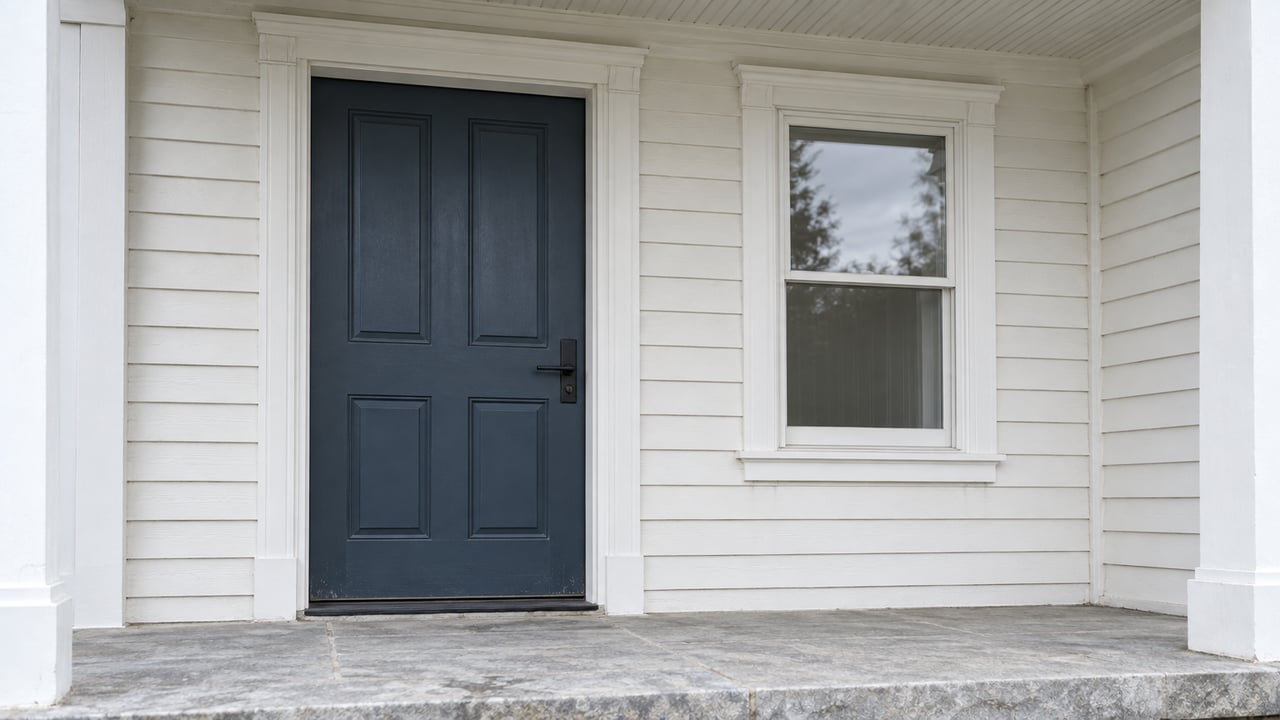
- Repaint or refresh the front door
- Replace a worn or dated garage door
- Improve exterior lighting at the entry
- Repair cracked walkways or loose railings
- Clean siding, trim, and windows
- Update house numbers, mailbox, or simple hardware
- Refresh landscaping with neat, low-maintenance planting
These updates help your home feel cared for right away. They also create a stronger first impression for listing photos, private showings, and open houses.
Refresh kitchens and baths, but keep it modest
Kitchens and bathrooms still matter, especially in older homes. But before you spend heavily, it is important to understand what tends to pay off.
In New England, a minor kitchen remodel recouped 110.8% of cost, and a midrange bathroom remodel recouped 84.5%. That points to a smart middle ground for sellers. If a room is dated but still functional, a lighter refresh may be enough to improve buyer perception without overspending.
Smart kitchen updates before listing
A pre-sale kitchen refresh does not need to be dramatic. In many cases, the best results come from clean, timeless improvements such as:
- Painting older cabinets if they are in solid condition
- Replacing dated hardware
- Updating light fixtures
- Swapping in a simple new faucet
- Repairing worn surfaces
- Adding a fresh backsplash if the current one feels very dated
- Replacing tired countertops if they pull the whole room down
The goal is not to create a luxury showpiece. The goal is to help buyers see a kitchen that feels functional, bright, and easy to live with.
Smart bathroom updates before listing
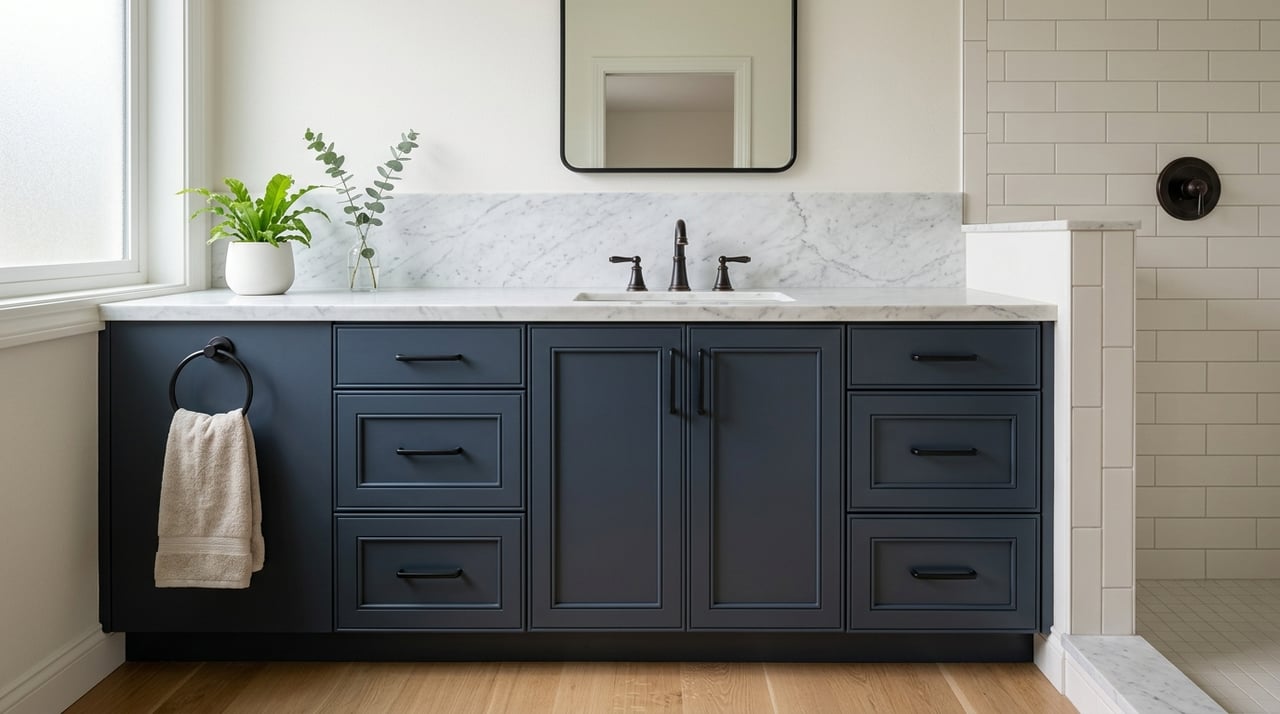
Bathrooms follow the same logic. If the layout works and the room is in usable condition, a facelift can go a long way.
Good pre-sale bathroom updates may include:
- Replacing an outdated vanity or mirror
- Updating faucet and shower trim
- Regrouting tile
- Replacing a worn toilet seat or dated lighting
- Painting in a neutral tone
- Deep cleaning glass, tile, and caulk lines
These projects can make the room feel fresher without turning into a full remodel.
Avoid over-improving before you sell
This is where many sellers lose money. It is easy to assume a major renovation will lead to a much higher sale price, but the data does not always support that.
New England Cost vs. Value figures show weaker resale recovery for bigger-ticket work. A major kitchen remodel recouped 58.1%, roofing replacement 56.7%, an upscale bath remodel 50%, a bath addition 38.4%, and an upscale primary suite addition just 27.3%.
That does not mean these projects are never worth doing. It means they are usually better driven by true condition issues or long-term lifestyle needs, not by a short pre-listing timeline.
Projects to approach carefully
Before listing, think twice about:
- Full gut kitchen renovations
- Luxury bathroom overhauls
- Room additions
- Major layout reconfiguration
- High-end primary suite expansions
If a project solves a clear problem, it may still make sense. But if you are trying to maximize return before selling, smaller visible improvements often deliver a better result.
Fix defects buyers will notice immediately
Cosmetic upgrades matter, but they should come after basic issues that raise questions during showings. Buyers tend to react strongly to signs of deferred maintenance.
If something looks broken, leaks, sticks, or does not work properly, handle that first when possible. In an older Holliston home, these kinds of repairs often do more to build buyer confidence than a trendy finish upgrade.
Priority repairs before listing
Focus first on defects that affect safety, function, or peace of mind:
- Leaky faucets or visible plumbing drips
- Damaged or missing handrails
- Doors that do not latch properly
- Cracked glass or damaged screens
- Peeling paint or worn trim
- Loose flooring or damaged stair treads
- Outlets, switches, or fixtures that do not work
These are the kinds of issues buyers notice quickly. When they stack up, they can make the whole house feel less maintained than it really is.
Know Holliston permit requirements
Before starting even a modest project, make sure you understand local requirements. Holliston’s Building Department says building modifications require Health Agent approval through Form A.
The town also says exterior modifications must include a plot plan showing distances to the nearest septic component, and interior changes require a sketch of the proposed layout. That means even relatively light work may involve local review, especially if the project affects the structure or site.
If your home was built in 1950 or earlier and you are considering demolition work, the town says you must file a supplemental demolition application. Property-record cards are the place to verify year built.
Why this matters to sellers
Permit questions can slow down a project or create headaches later if they are ignored. If you are trying to prepare your home for market on a timeline, it helps to sort out these details early.
This is especially true when the work goes beyond paint, fixtures, and surface-level improvements. A good plan is not just about design. It is also about making sure the work is appropriate for the property and local process.
Be careful with lead paint in older homes
If your Holliston home was built before 1978, lead paint should be part of your planning. Federal law requires disclosure of known lead-based paint and hazards before sale, along with available records, a lead warning statement, the lead pamphlet, and a 10-day opportunity for the buyer to conduct a paint inspection or risk assessment.
Massachusetts also requires lead-risk notification for pre-1978 homes, and the state warns that homes built before 1978 may contain dangerous lead paint. That makes it especially important to avoid unnecessary disturbance of painted surfaces during pre-sale updates.
Practical lead-safe thinking
For sellers, this usually means being thoughtful about any work that sands, cuts, or disturbs older painted materials. If your update plan involves that type of work, coordinate carefully so the project stays safe and compliant.
Even if your update list seems simple, older homes can carry details that deserve extra care. A measured plan helps protect both your timeline and your sale process.
A smart update order for sellers
If you are not sure where to begin, a clear sequence can help you make decisions with less stress. In Holliston, the most practical pre-listing order is usually based on condition first, then presentation, then selective upgrades.
A simple pre-sale update plan
- Fix defects that affect safety or obvious function
- Improve curb appeal and the entry experience
- Refresh one dated kitchen or bathroom if needed
- Deep clean and simplify each room for photos and showings
- Leave major structural or luxury projects for true condition issues
This approach lines up with Holliston’s older housing stock, current market pace, and New England return data. It helps you put money where buyers are most likely to notice it.
Why strategy matters more than spending
The best pre-sale results rarely come from spending the most. They come from making disciplined choices that fit the house, the neighborhood, and the market.
In Holliston, buyers are already comfortable with older homes. What often moves the needle is a home that feels solid, clean, and easy to understand from the moment someone pulls into the driveway.
If you are getting ready to sell, the right guidance can help you separate worthwhile updates from expensive distractions. For a data-informed plan tailored to your home, connect with Steve Leavey to request a complimentary market consultation.
FAQs
What updates add the most value before selling a Holliston home?
- For many Holliston sellers, the strongest value often comes from visible exterior improvements, entry updates, and modest kitchen or bathroom refreshes rather than major renovations.
Should you renovate the kitchen before selling an older Holliston house?
- Usually, a minor kitchen refresh makes more sense than a full remodel if the kitchen is dated but functional, based on New England resale recovery data.
Do you need permits for pre-sale home updates in Holliston?
- Holliston says building modifications require Health Agent approval through Form A, exterior changes need a plot plan showing distances to the nearest septic component, and interior changes require a sketch of the proposed layout.
What should you fix first before listing an older Holliston home?
- Start with issues that affect safety, function, or buyer confidence, such as leaks, broken fixtures, damaged railings, peeling paint, or other obvious maintenance problems.
What should sellers know about lead paint in older Holliston homes?
- If your home was built before 1978, lead-based paint disclosure rules and Massachusetts lead-risk notification requirements may apply, so updates that disturb painted surfaces should be planned carefully.
Is it worth doing a major remodel before selling a Holliston home?
- In many cases, no. Larger projects like major kitchen remodels, upscale bath remodels, and additions tend to show weaker resale recovery than smaller, more visible improvements.