Are you looking for a town where outdoor time feels built into daily life, not reserved for weekends? In Wayland, that idea is more than a nice extra. The town’s network of conservation land, scenic roads, and river access shapes how many people experience the area every day. If you are buying or selling here, understanding that outdoor footprint can help you see what makes Wayland distinctive. Let’s dive in.
Why outdoor access matters in Wayland
Wayland stands out for the scale of its preserved land. According to the Conservation Commission, about 20% of the town’s area is open space, with 19 major town-owned conservation areas totaling 1,023 acres, along with co-managed parcels with the Sudbury Valley Trustees.
That matters because Wayland’s outdoor appeal is not tied to one destination park. Instead, it comes from a connected pattern of conservation parcels, riverfront access points, and scenic local roads that support walking, hiking, wildlife viewing, and quiet recreation close to home.
The town’s conservation lands are generally open from dawn to dusk and are intended for passive recreation. For buyers, that can translate into a lifestyle benefit woven into ordinary routines. For sellers, it is a concrete feature of the town that helps explain Wayland’s long-term appeal.
Wayland outdoor living at a glance
A helpful way to think about Wayland is that outdoor living shows up in different forms depending on what you enjoy most. Some areas are better for quick walks, some for longer loops, and some for river access or seasonal wildlife watching.
| Outdoor asset | What it offers | Key detail |
|---|---|---|
| Greenways | Trail loops and Sudbury River access | Only Wayland conservation area with a boat launch |
| Heard Farm | Meadows, orchards, and a perimeter loop | About 2 miles total |
| Cow Common | Wetlands, trails, and wildlife viewing | Supports walking, snowshoeing, and birding |
| Pod Meadow | Short wooded walks near ponds | Loop around ponds is about 0.2 miles |
| Great Meadows NWR | Boardwalks, lookouts, and river access | Conserved wetland landscape along the Sudbury River |
Greenways offers trails and river access
If you want one place that captures several parts of Wayland’s outdoor lifestyle, Greenways is a strong example. This 122.2-acre conservation area includes open grass fields, mixed deciduous forest, and access to the Sudbury River.
It is also the only Wayland conservation area with a boat launch for kayaking, canoeing, and recreational fishing. That makes it especially useful for residents who want easy local access to paddling without leaving town.
The trail network is just over 3 miles, including two field loops of roughly 1.5 miles each. Parking is at 22 Green Way, which helps make it a practical stop for regular walks as well as longer outdoor outings.
Heard Farm brings open meadows and orchards
Heard Farm offers a different outdoor setting. The 87-acre property is known for mostly grass meadows, two apple orchards, pear trees, and native paw-paw trees.
The full perimeter loop is about 2 miles, which makes it approachable for a casual walk while still feeling substantial. The town describes it as a popular place for dog walkers and birders, adding to its appeal for people who enjoy open views and quieter natural landscapes.
Parking is at 15 Heard Road off Pelham Island Road. For buyers comparing areas of town, places like Heard Farm show how quickly daily life in Wayland can connect to open space.
Cow Common supports wildlife watching
Cow Common has a more natural, semi-rural character. This 72-acre area is bordered by Great Meadows National Wildlife Refuge along the Sudbury River, and its management plan highlights walking, hiking, Nordic skiing, snowshoeing, gardening, and wildlife watching.
Because the landscape includes wetlands, some trail sections require boardwalk-style crossings. That feature is worth knowing if you are planning a visit, and it also speaks to the ecological character that makes this area feel distinct.
For residents who value birding or seasonal changes in the landscape, Cow Common is one of Wayland’s most useful outdoor assets. It adds depth to the town’s conservation network beyond simple walking trails.
Pod Meadow works for short local walks
Not every outdoor destination needs to be a long excursion. Pod Meadow is a 32-acre area of mixed white pine and old-growth forest with small ponds, and it works especially well for a short walk close to home.
The loop around the ponds is about 0.2 miles, and the full trail system is under a mile. Access is off Old Connecticut Path, with another approach from Wallace Road via the aqueduct.
For many buyers, this kind of nearby, low-commitment outdoor option is part of what makes a town livable. It is easy to imagine a quick morning walk or an evening loop becoming part of your weekly routine.
Mainstone Farm adds long-term open space value
Mainstone Farm is important even beyond its current trail appeal. The town describes it as the largest remaining piece of undeveloped open space in Wayland, and the project overview notes that a 200-acre conservation restriction would keep trails open for passive public recreation and connect them to adjacent conservation land.
That kind of conservation planning matters in towns where open land plays a meaningful role in community character. It shows that Wayland’s outdoor identity is not only about what exists today, but also about how land use is being shaped over time.
For buyers and homeowners alike, this helps reinforce the idea that outdoor access is a lasting part of Wayland’s appeal. It is one of the factors that can support how people experience the town year after year.
Great Meadows expands the local experience
Wayland’s outdoor story also connects to the broader regional landscape. Great Meadows National Wildlife Refuge includes trails, boardwalks, lookouts, and a non-motorized boat launch on the Sudbury River.
In the Sudbury unit, nearly 85% of conserved land is freshwater wetlands along the Sudbury and Concord Rivers. That creates a very different outdoor environment from open meadows or short wooded loops, and it broadens the kinds of recreation available nearby.
For someone relocating to Wayland, this is an important point. The town’s conservation assets do not feel isolated. They are part of a wider natural system that adds texture and variety to local outdoor life.
Scenic roads shape everyday access
One of the most interesting things about Wayland is how outdoor living is tied to ordinary residential geography. The town’s Scenic Roads bylaw helps reinforce the rural look and feel along roads that also serve as access corridors to conservation land.
Designated scenic roads include Bow Road, Pelham Island Road, Rice Road, River Road, Old Connecticut Path East, Water Row, and Sherman Bridge Road. These roadways help connect homes, open land, and trail access in a way that can make the town feel visually cohesive.
This is useful context for buyers exploring different parts of Wayland. A home’s relationship to scenic roads, conservation land, and village areas can shape how the setting feels day to day.
Historic areas add to Wayland’s character
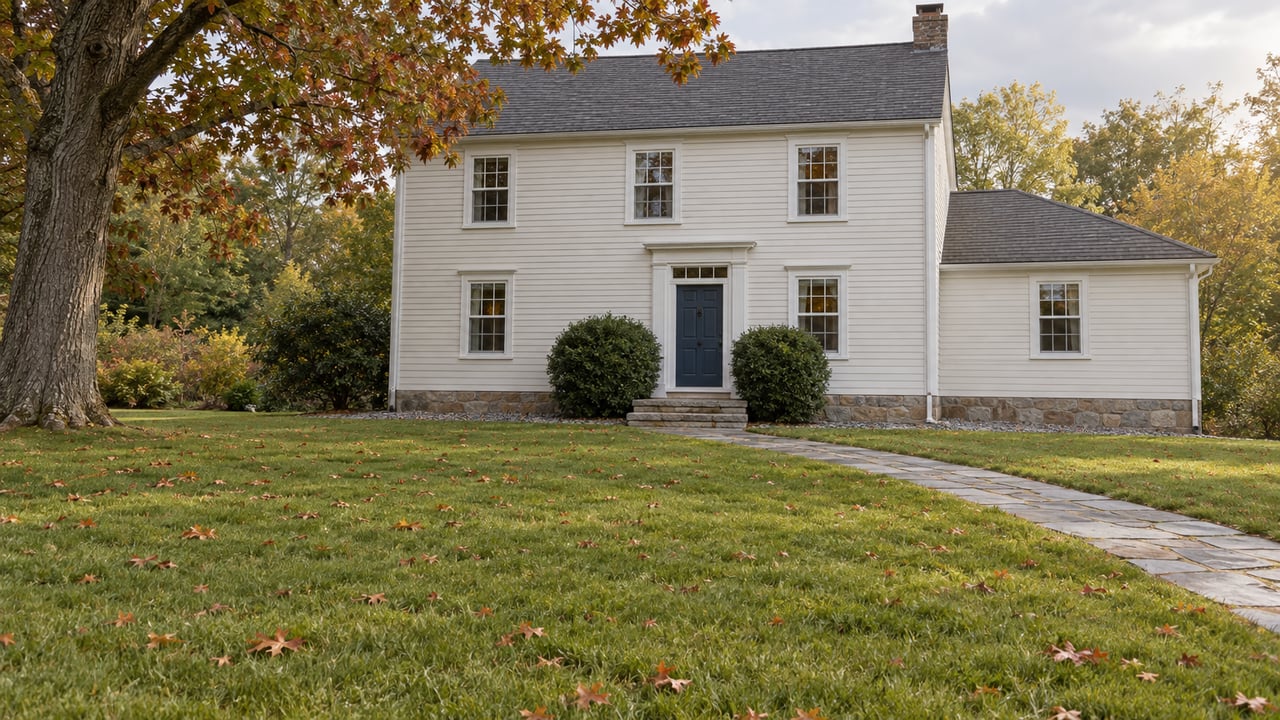
Wayland also has two local historic districts: Wayland Center and Bow Road. According to the town’s historic-district guidelines, Wayland Center includes mostly two- to two-and-a-half-story Federal and Greek Revival buildings, while Bow Road presents a residential continuum that includes Georgian, Federal, Greek Revival, Queen Anne, Italianate, Arts and Crafts, and mid-20th-century Cape houses.
The broader housing stock includes additional examples of Federal, Georgian, Greek Revival, Italianate, Colonial Revival, Dutch Colonial Revival, Craftsman, Bungalow, Queen Anne, and Cape Cod architecture along streets such as Cochituate Road, Concord Road, Old Sudbury Road, Boston Post Road, and Old Connecticut Path.
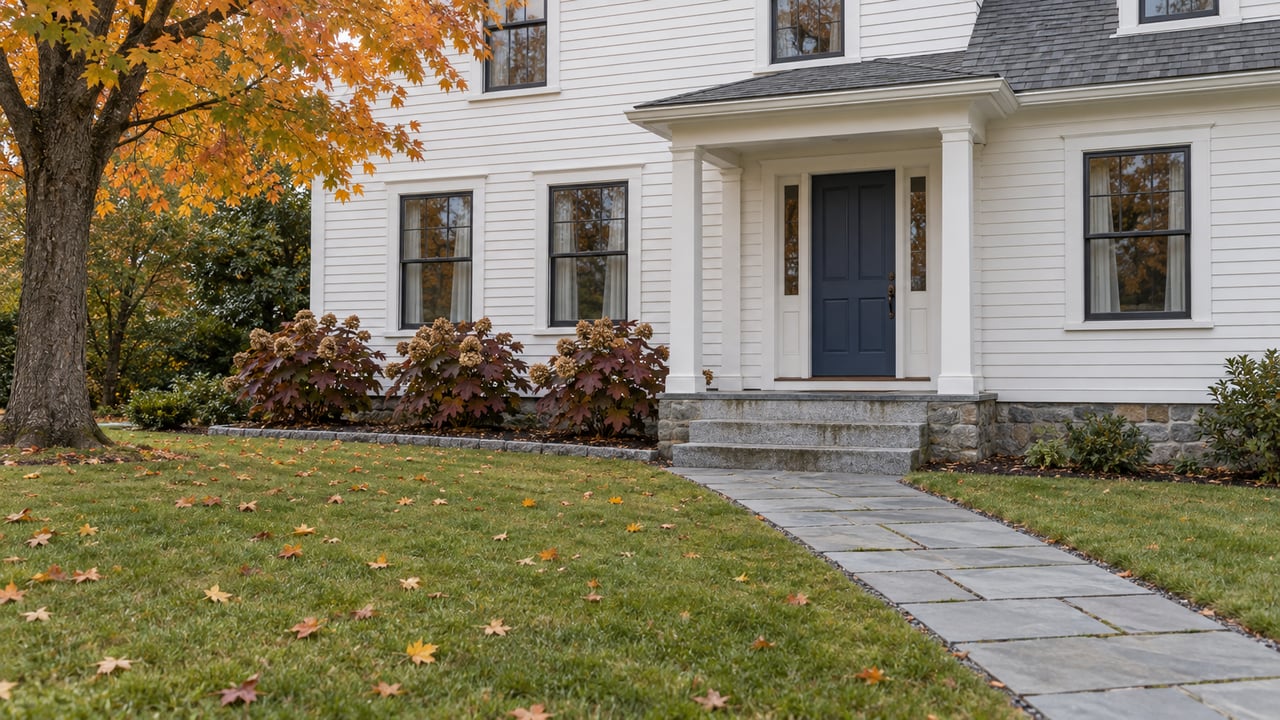
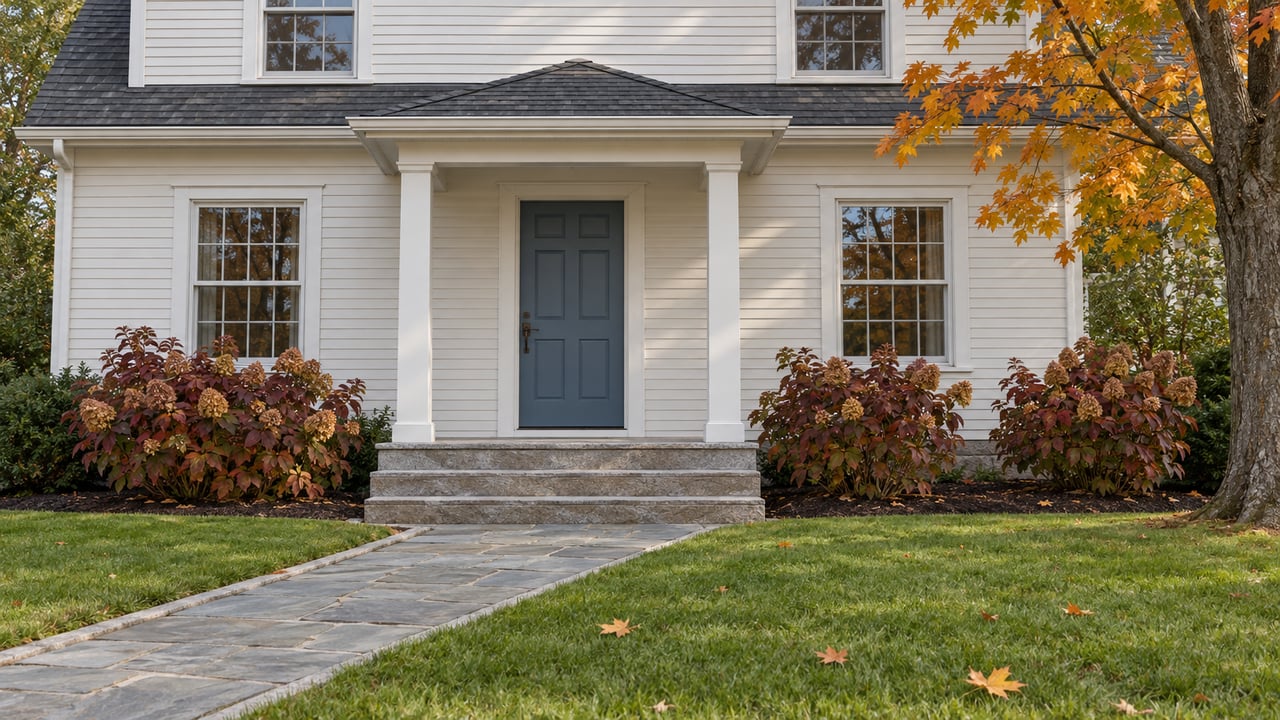
For buyers, this variety can make Wayland feel layered rather than uniform. For sellers, it helps explain why presentation should reflect not just square footage and finishes, but also the property’s setting and architectural context.
What buyers should notice
If you are considering Wayland, outdoor access is worth evaluating as part of your home search. It is not only about distance to a trailhead. It is also about the kind of outdoor use that best matches your routine.
Here are a few practical things to notice:
- Whether you prefer short daily walks or longer trail loops
- If river access for kayaking or canoeing matters to you
- How close you want to be to meadows, woods, or wetland landscapes
- Whether scenic-road character is part of the setting you want
- How a home’s location connects to village areas and conservation land
A thoughtful home search in Wayland often includes these lifestyle questions alongside price, lot size, and house style. That is especially true in a town where outdoor space is part of the everyday experience.
What sellers can highlight
If you own a home in Wayland, the outdoor setting can be part of a stronger property story. Buyers often respond to concrete, local lifestyle details when they are deciding between similar homes.
That does not mean making broad claims. It means identifying the real nearby assets that support daily life, whether that is quick access to Greenways, the meadow setting at Heard Farm, or the short wooded trails at Pod Meadow.
A strong listing strategy can connect your home to the features that are actually relevant to its location. In a market where presentation matters, details like trail access, scenic-road context, and proximity to conservation land can help a buyer understand the home more fully.
Know the local trail rules
Before you head out, it helps to know a few local rules. Wayland allows dogs on conservation land, but leashes are required in parking lots and conservation areas.
The town also applies a seasonal leash rule at Heard Farm and Cow Common from May 1 through July 31, or until fields are mowed, to help protect nesting birds. For residents who use these spaces often, small details like this are part of being informed and respectful of the land.
Wayland’s outdoor appeal is one of the clearest examples of how lifestyle and real estate intersect. If you want guidance on how conservation access, scenic setting, and neighborhood context play into a home search or sale in Wayland, Steve Leavey can help you evaluate the details with a local, strategic perspective.
FAQs
What outdoor recreation is available in Wayland, MA?
- Wayland’s conservation lands are generally intended for passive recreation, including walking, hiking, wildlife watching, and in some areas paddling, fishing, snowshoeing, and Nordic skiing.
Where can you launch a kayak in Wayland, MA?
- Greenways is the only Wayland conservation area with a boat launch, and it provides access to the Sudbury River for kayaking, canoeing, and recreational fishing.
Which Wayland, MA trails are best for short walks?
- Pod Meadow is one of the best options for a short walk, with a pond loop of about 0.2 miles and a full trail system that is under a mile.
Which Wayland, MA conservation areas are good for longer walks?
- Greenways offers just over 3 miles of trails, and Heard Farm has a perimeter loop of about 2 miles.
Are dogs allowed on Wayland, MA conservation land?
- Yes, dogs are allowed, but leashes are required in parking lots and conservation areas, and Heard Farm and Cow Common have seasonal leash rules from May 1 through July 31, or until fields are mowed.
How much open space does Wayland, MA have?
- According to the Conservation Commission, about 20% of Wayland’s area is open space, including 19 major town-owned conservation areas totaling 1,023 acres.