Thinking about buying a two- or three-family in Framingham to live in one unit and rent the others? You’re not alone. With Boston-area prices and rates still top of mind, a smart house-hack or small multifamily can offset your payment and build long-term equity. In this guide, you’ll see where the numbers stand, how financing works, what to watch for in older buildings, and how Framingham stacks up to nearby towns. Let’s dive in.
Framingham at a glance
Framingham is a mature MetroWest commuter suburb with MBTA rail access, a mixed housing stock, and a roughly even split between owners and renters. Downtown amenities and transit continue to support steady demand for rentals and small multifamily housing. You can review city-level context in the latest Census QuickFacts for Framingham.
Recent MLS-style summaries put Framingham’s median sale price in the mid-$600,000s in 2025 and early 2026. Always confirm block-level comps before you bid. City-level vacancy has hovered around the low single digits in recent American Community Survey extracts, suggesting tight supply by national standards.
Property taxes are an important budget line. Framingham’s FY2026 residential rate is $11.83 per $1,000 of assessed value, billed quarterly, per the City Assessor. Build this into any pro forma you run.
What small multifamily looks like here
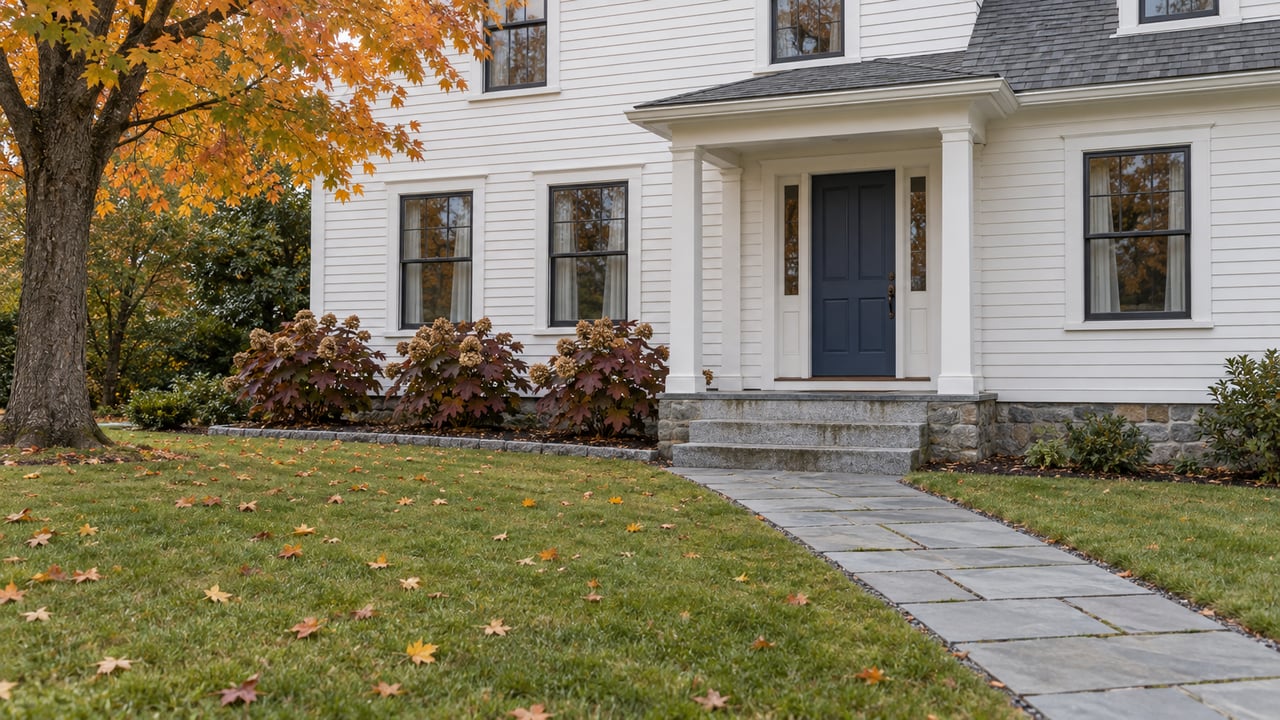
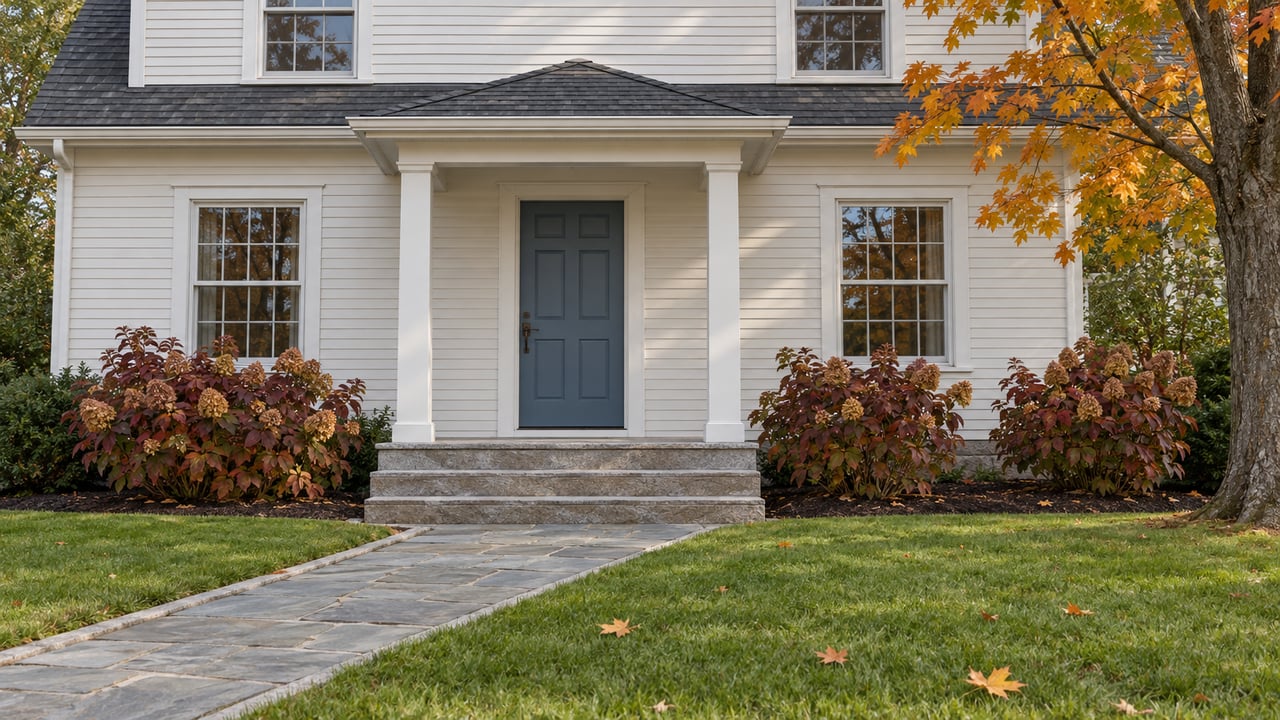
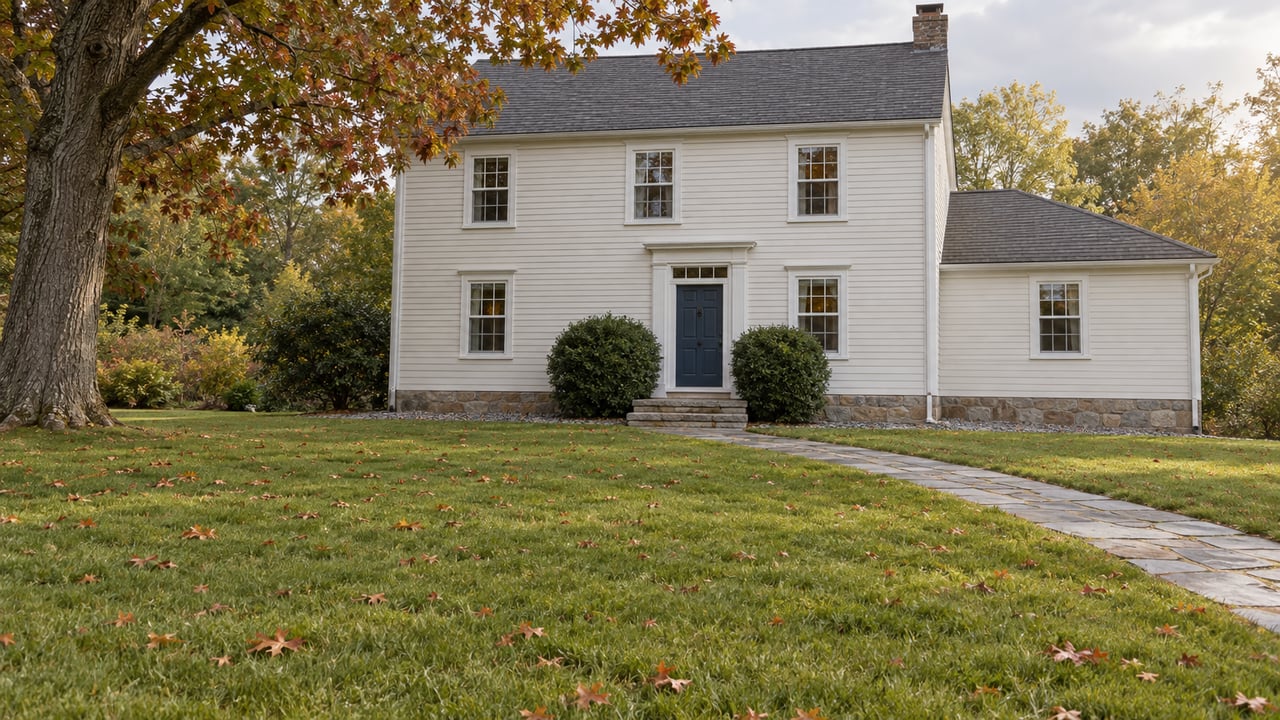
Most opportunities are classic New England two-families and three-families. Many are older wood-frame conversions and triple-deckers that vary widely in condition. For a regional backdrop on building types and age profiles, see the Greater Boston housing report card context summarized here.
Inventory tends to cluster near downtown, along older commercial corridors, and near the commuter rail station. Framingham’s downtown zoning has been used to demonstrate compliance with the MBTA Communities Act, with conditional compliance recently granted under state oversight. You can read about that context here. This backdrop matters for long-term supply and demand near transit.
Unit layouts vary: many duplexes offer 1–3 bedroom apartments. Triplexes often combine two smaller apartments plus a larger owner’s unit. When you tour, confirm legal unit counts, separate utilities, and proper egress. Plan for common capital items in older buildings like roof, mechanical systems, electrical panels, lead paint remediation, and potential oil-tank removal.
Rents, vacancy, and quick cash-flow math
Listings-based rental trackers place average apartment rents in Framingham around $2,300 to $2,600 across bedroom sizes. Recent aggregates suggest 1BRs near $2,100 and 2BRs around $2,500 to $2,700 in many locations. Use these as a starting point, then validate rents with nearby listings and a small local survey. You can review current averages via RentCafe’s Framingham rent trends.
Even with low city-level vacancy in the ~3 to 4 percent range, conservative underwriting for small multifamily often uses 5 to 8 percent vacancy to account for lease-up time and turnover. City vacancy context is available in Census QuickFacts.
For operating expenses, many small owner-managed buildings land in the 30 to 50 percent range of gross rent, depending on age, utilities, and management approach. Older buildings with frequent repairs tend to skew higher. Always model both conservative and optimistic scenarios.
Here is quick illustrative math for a duplex: If each unit can rent for $2,400 per month, gross potential rent is $4,800 per month, or $57,600 per year. At 5 percent vacancy and 40 percent operating expenses, your net operating income would be about $28,080 per year before debt service. Replace these placeholders with the actual taxes, insurance, utilities, and realistic rents for your specific block.
Financing your 2–3 unit purchase
Owner-occupied FHA: FHA’s single-family programs allow you to purchase a 2–4 unit property if you will live in one unit as your primary residence. Eligible borrowers can put as little as 3.5 percent down, subject to credit and program rules. FHA sets county loan limits and applies property standards, with added rules for 3–4 units. Review program details and confirm eligibility with an FHA lender using HUD’s official guidance here.
Conventional owner-occupied (Fannie/Freddie): Lenders commonly count a portion of rental income from non-occupant units when you qualify. A typical approach is using 75 percent of market rent to account for vacancy and maintenance. See Fannie Mae’s selling guide for 2–4 unit income treatment here.
Conforming loan limits: The Federal Housing Finance Agency publishes annual conforming limits, and Middlesex County benefits from elevated caps. Using conforming financing versus jumbo can change your required down payment and reserves. Check current county limits via FHFA’s release here.
Investor loans and DSCR: If you will not occupy a unit, underwriting and pricing shift toward investor or DSCR-style loans. Expect different reserve requirements, loan-to-value maximums, and rates. Get the exact product fit and terms from your lender before writing offers.
How Framingham compares nearby
- Framingham often offers a more approachable entry point than premium inner suburbs to the east. Purchase prices are generally lower than in Newton and Wellesley, while rents remain strong enough to support house-hack math for many buyers.
- Neighboring Natick typically carries a higher median price than Framingham, with rents that can be similar or modestly higher. The buy-in is steeper and spreads may be tighter, but demand drivers remain strong.
- Outer MetroWest towns like Marlborough may offer lower prices and higher potential yields on paper, but with lower average rents and different tenant-demand patterns. Always test your assumptions against local employers and commute patterns.
Bottom line: Framingham sits in a practical middle ground for many investors. You get a meaningful supply of 2–3 unit properties, commuter-friendly demand, and a price point that can make house-hacking more attainable than in premium suburbs.
Due-diligence checklist for a 2–3 unit
- Confirm legal unit count and permitted use with local Building, Planning, and Zoning. Unpermitted units can derail financing and rental legality.
- Order a full home inspection plus targeted specialists as needed: chimney, underground storage tanks, electrical, heating systems, and septic if applicable.
- Gather current leases, rent rolls, and tenant contact information if occupied. If vacant, obtain an appraiser’s market rent opinion (Form 1025) to support underwriting.
- Build a conservative pro forma: 5–8 percent vacancy, 35–45 percent operating expenses, and a capital reserve of $2,000–$5,000 per unit per year depending on age. Confirm the property-tax bill with the City Assessor using the FY2026 rate of $11.83 per $1,000.
- Ask lenders in writing how they will treat rental income for qualifying. Many apply the 75 percent rule or use Schedule E history if available. Fannie’s guidance for 2–4 unit income treatment is outlined here.
- Track zoning context near downtown and the commuter rail. Framingham has conditional MBTA Communities Act compliance, which may shape future supply and demand. Read more here.
- Decide your management plan. If you will not self-manage, get a management quote and include fees in your expense ratio.
Risks to watch
- Older buildings: Hidden capital needs add up fast. Budget for lead paint compliance, boiler or water-heater replacement, electrical upgrades, window and roof work, and potential tank removal.
- Policy and zoning shifts: MBTA Communities Act compliance and local zoning updates can influence long-term rent growth and redevelopment scope, especially downtown. Track updates through official city channels and local reporting, such as the MBTA compliance summary noted here.
- Financing changes: Program rules and loan limits evolve. Confirm your FHA, conventional, and conforming-limit assumptions with your lender and review official references at HUD and FHFA before you write offers.
A simple action plan
Identify 2–3 target micro-areas: downtown/Coburnville, Saxonville corridor, or north Framingham. Pull 6–12 months of sold comps for 2–3 unit properties and note condition, utilities, and legal unit status.
Speak with 2–3 lenders who regularly underwrite owner-occupied 2–4 unit deals. Get written guidance on how they will count rental income, required reserves, and minimum down payment options. See Fannie Mae’s framework here and FHA basics here.
Run a conservative pro forma: validate local rents, use a 5–8 percent vacancy rate, 35–45 percent operating expenses, and include capital reserves. Stress-test the payment at higher interest rates.
Tighten your inspection and rehab plan: confirm whether the property can meet FHA minimum property standards if you plan to use FHA. Line up specialist inspections for older systems.
If you like the numbers, move quickly and precisely. Small multifamily in good locations still draws competition when priced right.
Ready to analyze a specific property, tour options, or align financing with your plan? Connect with Steve Leavey for a complimentary, data-informed consultation and tailored next steps.
FAQs
Is a Framingham 2–3 family a good house hack right now?
- It can be if local rents, your financing, and the building’s condition support positive or near-neutral cash flow. Use realistic market rents, a 5–8 percent vacancy assumption, and the FY2026 tax rate to build your numbers before you bid.
What down payment do you need for a Framingham duplex or triplex?
- If you will live in one unit, FHA allows as little as 3.5 percent down, subject to eligibility and property standards. Conventional options vary by lender and may use a portion of other-unit rent to help you qualify. Investor loans usually require larger down payments and reserves.
What vacancy rate should you budget in Framingham?
- City-level vacancy has been around the low single digits in recent surveys, but many investors use 5–8 percent in pro formas to account for turnover, lease-up time, and normal frictional vacancy.
How do Framingham property taxes affect returns on a small multifamily?
- Use the FY2026 residential rate of $11.83 per $1,000 of assessed value for estimates. For example, a $700,000 assessed value implies roughly $8,281 in annual taxes, paid quarterly. Always confirm the current bill with the City Assessor.
Where should you look for small multifamily in Framingham?
- Start near downtown and the commuter rail, Coburnville, and along older commercial corridors where multifamily stock is more common. Verify legal unit counts, utilities, and egress, and review zoning context near the MBTA corridor.
What are the biggest risks with older Framingham multifamily buildings?
- Unexpected capital needs: boilers, electrical, roofs, windows, lead paint compliance, and possible tank removal. Build a meaningful reserve, order thorough inspections, and price your offer to match the building’s true condition.