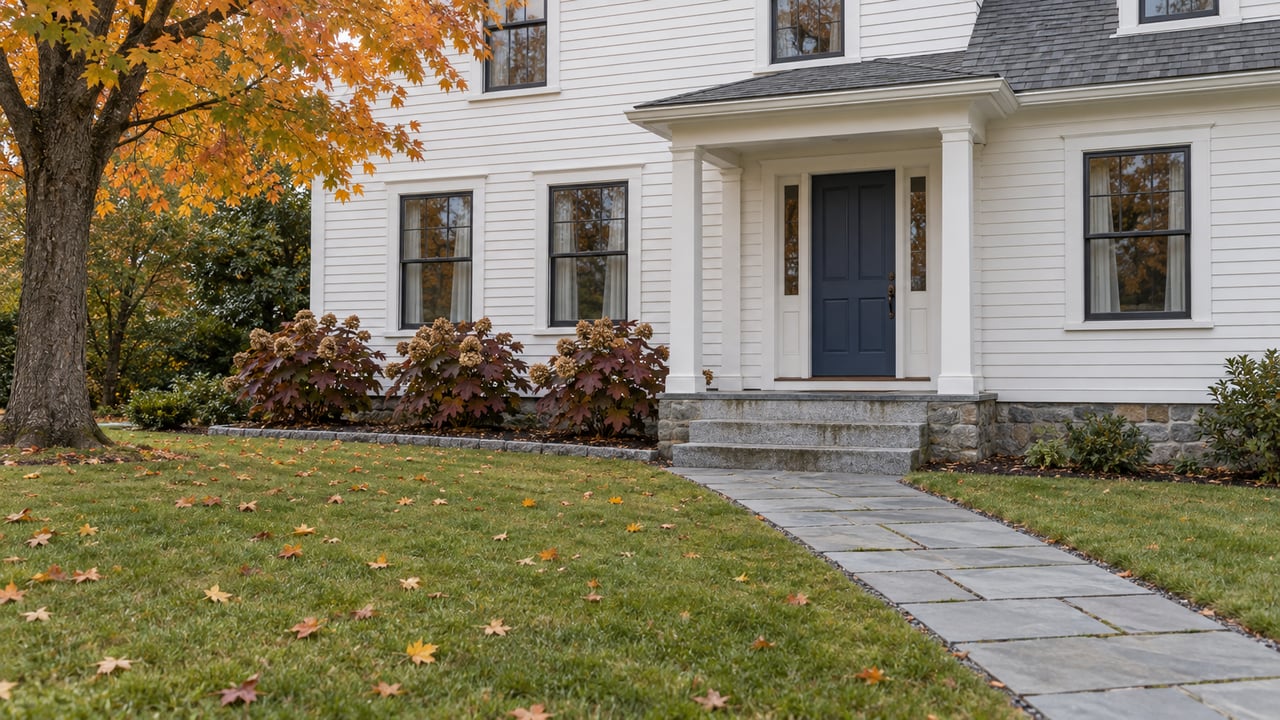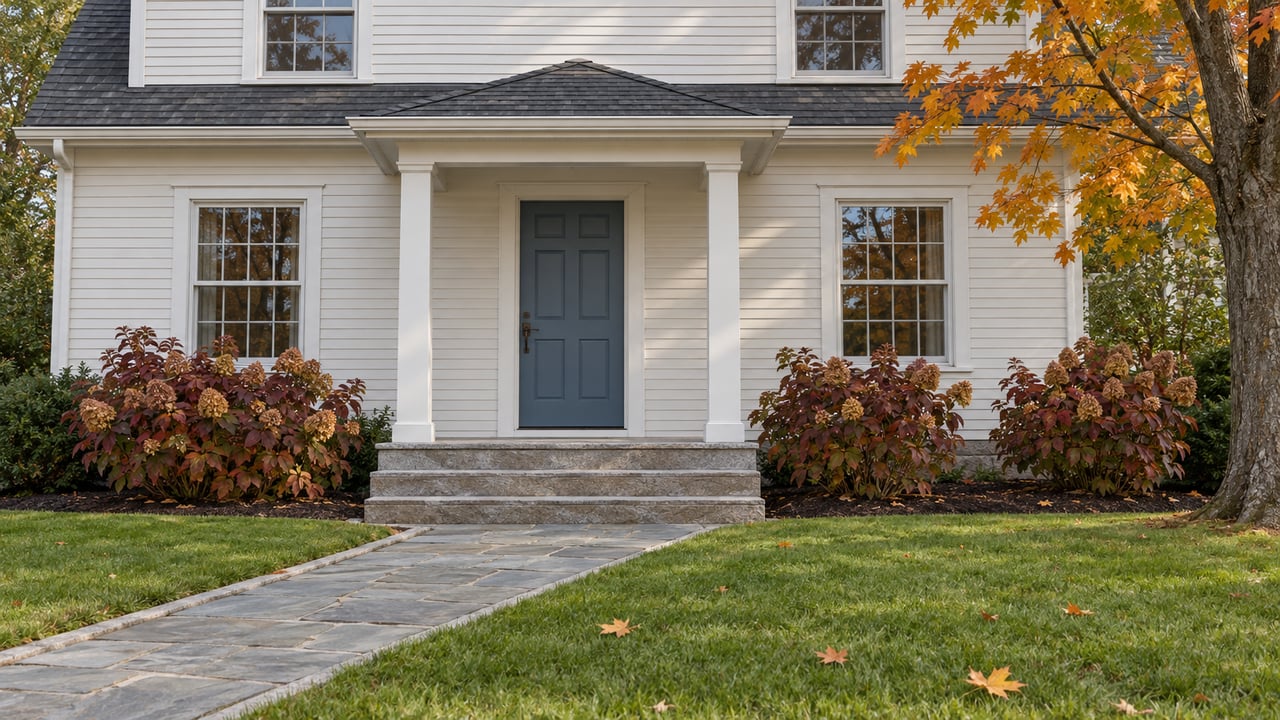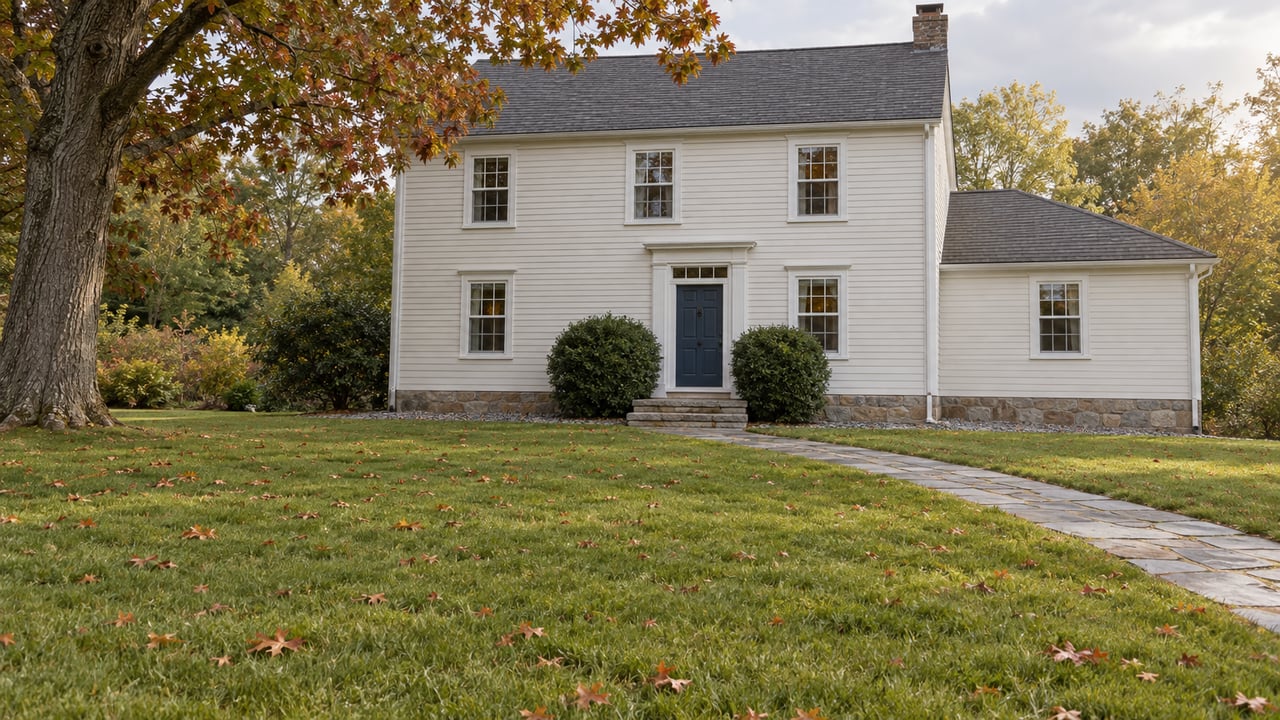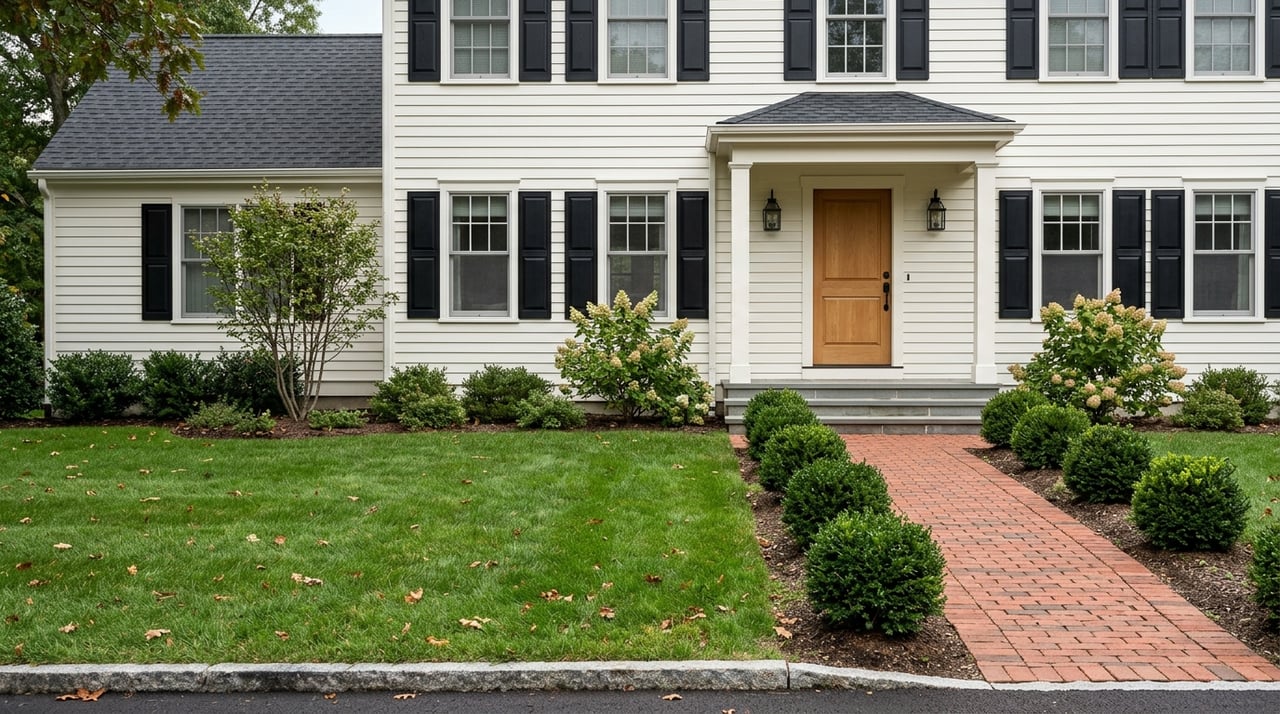
If you are trying to figure out where you fit in Natick, the answer is usually less about strict neighborhood lines and more about how you want to live day to day. Some buyers want a train nearby, some want a quieter residential setting, and others want easier highway access or more housing choices. This guide will help you understand how Natick’s main area “pockets” and housing types differ, so you can narrow your search with more confidence. Let’s dive in.
How to Think About Natick
Natick is not best understood as a town with rigid neighborhood borders. The town’s planning documents instead point to distinct character areas, including Natick Center, South Natick, West Natick and the West Central Corridor, and the Route 9 corridor.
That matters when you are house hunting. Rather than asking only, “Which neighborhood is best?” it often helps more to ask, “Which part of town matches my commute, housing type, and lifestyle priorities?”
Natick also offers more variety than many buyers expect. It remains largely owner-occupied, with a 68.2% owner-occupied rate, and detached single-family homes make up a strong share of the housing stock, at about 61% at the time of the town plan. At the same time, downtown, station areas, and the Route 9 corridor add condos, apartments, and mixed-use housing into the mix.
Natick Housing Types Explained
Before you compare areas, it helps to understand the main housing forms you are likely to see in Natick. The town’s planning materials describe housing more by era, density, and form than by consumer style labels.
Detached Single-Family Homes
Detached single-family homes are still the backbone of Natick’s housing inventory. You will find them across much of town, especially in postwar neighborhoods that developed from the 1940s through the 1970s, as well as in later residential growth areas.
For many buyers, this housing type offers the most familiar suburban setup. Depending on the part of town, you may find older homes near historic village areas or postwar homes in neighborhood settings with more uniform development patterns.
Historic Village Homes
Historic village homes are most closely associated with Natick Center and South Natick. These areas contain much of the town’s older fabric, including 19th-century buildings in the downtown core and the historic district in South Natick.
If character and setting matter to you, these homes often stand out for their location and context. Because age and layout can vary widely, buyers usually benefit from evaluating each property on its own features rather than relying on broad assumptions.
Condominiums and Apartments
Condominiums and apartments are most visible in Natick Center, West Natick, and along the Route 9 corridor. These areas include newer apartment communities, condo developments, and other higher-density residential options.
This can be helpful if you want a lower-maintenance lifestyle or want to stay in Natick at a different price point than a detached home may offer. Inventory and building formats can vary a lot, so location and access often become the deciding factors.
Mixed-Use Residential
Mixed-use residential is most associated with Natick Center and the West Central Corridor concept in West Natick. In these settings, housing may sit near or above retail, office, or civic uses.
For some buyers, that creates a more connected daily routine with easier access to errands, dining, transit, and downtown activity. For others, a more traditional residential setting may feel like a better fit.
Natick Center at a Glance
Natick Center is the town’s compact downtown core and one of its most distinct housing environments. The area combines residential, commercial, office, and civic uses, with more than 1,800 dwelling units and roughly 4,000 people within a half-mile walkshed.
It is also one of the strongest choices if you care about walkability and commuter rail access. Natick Center station is here, and the town has been improving pedestrian and bicycle conditions along Main Street and around the station area.
What Housing Looks Like in Natick Center
Housing in Natick Center includes older buildings, historic fabric, multi-unit residential, and newer redevelopment. The town notes both rehabilitated mill buildings and newer apartment and mixed-use inventory, including redevelopment at the former Paperboard site.
In practical terms, this means you may find a wider range of housing formats here than in more purely residential parts of town. If you want a downtown setting with multiple ownership and rental options, Natick Center is one of the clearest places to start.
Who Natick Center Fits Best
Natick Center often works well for buyers who want to be close to the train, local services, and a more active downtown setting. It can also appeal to people who want less dependence on a car for short daily trips.
If your priority is a larger detached-home neighborhood feel, you may want to compare Natick Center with other parts of town. But if access and convenience matter most, this area deserves a close look.
South Natick at a Glance
South Natick is the town’s most historic village area. Early residential development clustered here, and much of the village center falls within the John Eliot Historic District.
It also stands out for its natural setting. South Natick Dam Park sits on the Charles River, and the Eisenmenger Trail links downtown Natick with Memorial School in South Natick.
What Housing Looks Like in South Natick
South Natick offers a mix of older village-area homes and later single-family development. The town plan points to 1960s single-family development on roads such as Riverbend Drive, Indian Ridge Way, Eliot Hill Road, and Farm Hill Road, along with the newer South Natick Hills ownership development.
That combination gives buyers a wider range than the village image alone might suggest. You can see both historic context and later suburban development patterns depending on where you look.
Who South Natick Fits Best
South Natick often appeals to buyers who value historic character, riverfront surroundings, and access to open space. It may also suit buyers who want a more distinct village feel than some other parts of town provide.
If direct commuter rail access is at the top of your list, other areas may be stronger. But if setting and character are driving your search, South Natick is one of Natick’s most distinctive options.
West Natick and West Central Corridor
West Natick is one of the town’s key transit-oriented growth areas outside downtown. The West Central Corridor zoning district is designed to support a mix of residential, retail, office, and civic uses, with the West Central Hub allowing the highest density and strongest pedestrian orientation.
This pocket also benefits from direct commuter access. West Natick station is here, and the MBTA owns a parking lot directly next to the station.
What Housing Looks Like in West Natick
West Natick includes a broad mix of housing types. Nearby options include postwar single-family neighborhoods along with condo and apartment communities such as Natick Green, Kendall Crossing, and Natick Village.
For buyers comparing housing flexibility, this is one of the easiest parts of Natick to study. You can often look at multiple property types within the same general area and compare tradeoffs more directly.
Who West Natick Fits Best
West Natick is often a strong fit if you want station access and a broader mix of housing forms. It can be especially useful for buyers who want Natick commuter rail access but are also open to condos or apartment-style living.
If you want a highly traditional village setting, South Natick or parts of Natick Center may feel more aligned. But if your search starts with convenience and choice, West Natick belongs high on your list.
Route 9 and East Natick Edge
The Route 9 side of Natick has a different feel from the historic and station-centered parts of town. It is more auto-oriented, more mixed-use in a regional retail sense, and shaped by major travel corridors like Route 9, Speen Street, Route 27, and Route 135.
Town planning documents also point to this corridor as suitable for larger multifamily housing, especially near Speen Street and the Natick Mall. That makes it an important part of the conversation if you are comparing newer or higher-density housing choices.
What Housing Looks Like Near Route 9
Near Route 9 and the East Natick edge, you will generally see a mix of multifamily options and nearby postwar residential areas. East Natick itself is described less as a traditional neighborhood center and more as an employment and residential edge, with industrial land uses in the East Natick Industrial Park and tract-style housing south of Route 9, including The Generals east of Hunnewell Town Forest.
This part of town can feel more practical than picturesque. For the right buyer, that may be a plus if your priority is access, newer multifamily options, or proximity to major routes.
Who This Area Fits Best
The Route 9 and Speen Street area often suits buyers who prioritize highway convenience and multifamily choices. It can also make sense if your day-to-day routine depends more on driving than on downtown walkability or rail access.
If your ideal setting is a historic village or station-centered neighborhood, you may prefer other parts of Natick. Still, this area fills an important role in the town’s housing mix.
Commute and Lifestyle Differences
For commuter rail access, Natick Center and West Natick are the strongest pockets. Both are served by the MBTA Framingham/Worcester line, and the town reports that transit ridership is rising.
For walkability and bike access, Natick Center and older neighborhoods are generally the strongest areas today. The Cochituate Rail Trail adds a 3.7-mile shared-use path, while the Eisenmenger Trail creates another useful connection between downtown and South Natick.
For open space, Natick offers broad access town-wide. The town says nearly 90% of land is within a quarter-mile of public open space, although the southernmost part of town is one area where additional recreation facilities are needed.
How to Narrow Your Search in Natick
If you are early in your search, try filtering Natick by lifestyle first and home type second. That usually creates a clearer shortlist than starting with assumptions about neighborhood names alone.
A simple way to think about it is:
- Natick Center if you want walkability, train access, and mixed housing options
- South Natick if you want historic character, river and open-space context, and a village feel
- West Natick if you want commuter rail access and a wider condo or apartment mix
- Route 9 and East Natick edge if you want highway convenience and newer multifamily possibilities
Natick’s housing stock is varied enough that the right fit often comes down to your routine, not just your budget. When you match your search to how you actually live, the town becomes much easier to understand.
If you want help comparing Natick’s housing options with a local, property-by-property lens, Steve Leavey can help you narrow the field and focus on the parts of town that best match your goals.
FAQs
What are the main neighborhood areas buyers should know in Natick?
- Buyers usually look at Natick through key character areas rather than strict boundaries, especially Natick Center, South Natick, West Natick and the West Central Corridor, and the Route 9 corridor.
What housing types are most common in Natick?
- Detached single-family homes remain the largest part of Natick’s housing stock, but buyers will also find condos, apartments, historic homes, and mixed-use residential in several parts of town.
Which Natick areas are best for commuter rail access?
- Natick Center and West Natick are the town’s strongest commuter rail locations because both are served by the MBTA Framingham/Worcester line.
Which Natick area has the most historic character?
- South Natick is the town’s most historic village area, while Natick Center also has a strong historic downtown core with 19th-century character.
Where can buyers find more condo and apartment options in Natick?
- Condo and apartment choices are most visible in Natick Center, West Natick, and along the Route 9 corridor.
How should buyers compare Natick neighborhoods?
- A practical way to compare Natick is by looking at commute, walkability, housing type, and daily lifestyle needs rather than relying only on neighborhood names.