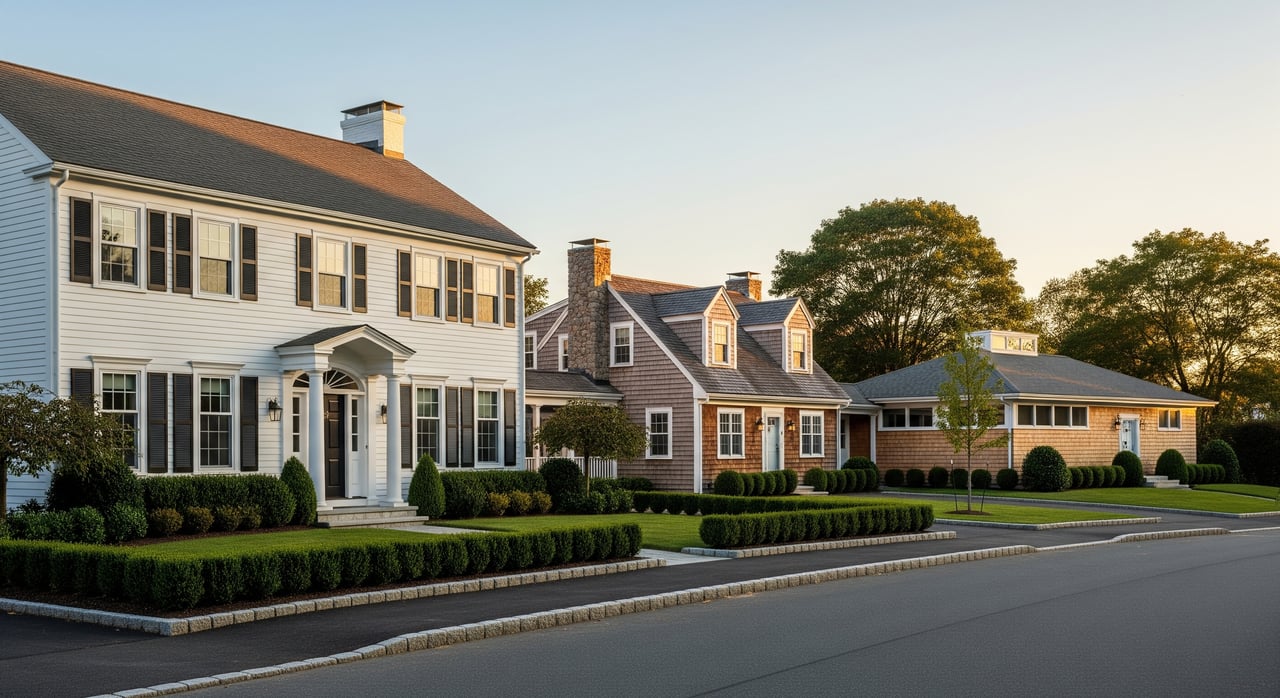
Trying to tell a Colonial from a Cape or a Ranch on a Framingham street? You’re not alone. In a town with homes from the 1700s to new builds, style shapes how you live day to day, what you’ll maintain, and how your home resells. In this guide, you’ll learn the key traits of each style, what to look for at showings, and which updates deliver the best return in Framingham.
Framingham’s commuter access, from the Mass Pike and Route 9 to the Framingham/Worcester commuter rail, makes location and style work together. Let’s dive in.
Why style matters in Framingham
Framingham offers everything from early Colonials near historic centers to mid‑century Capes and Ranches in post‑war neighborhoods. Style influences layout, energy performance, and how easily you can expand. It also interacts with location, lot size, and condition, which are major drivers of demand.
If you plan to commute by rail or highway or want proximity to downtown amenities, a home’s position in town can matter as much as style. Updated kitchens, modern baths, and well‑executed additions boost marketability across all three styles.
Colonial homes: what to expect
Era and curb appeal
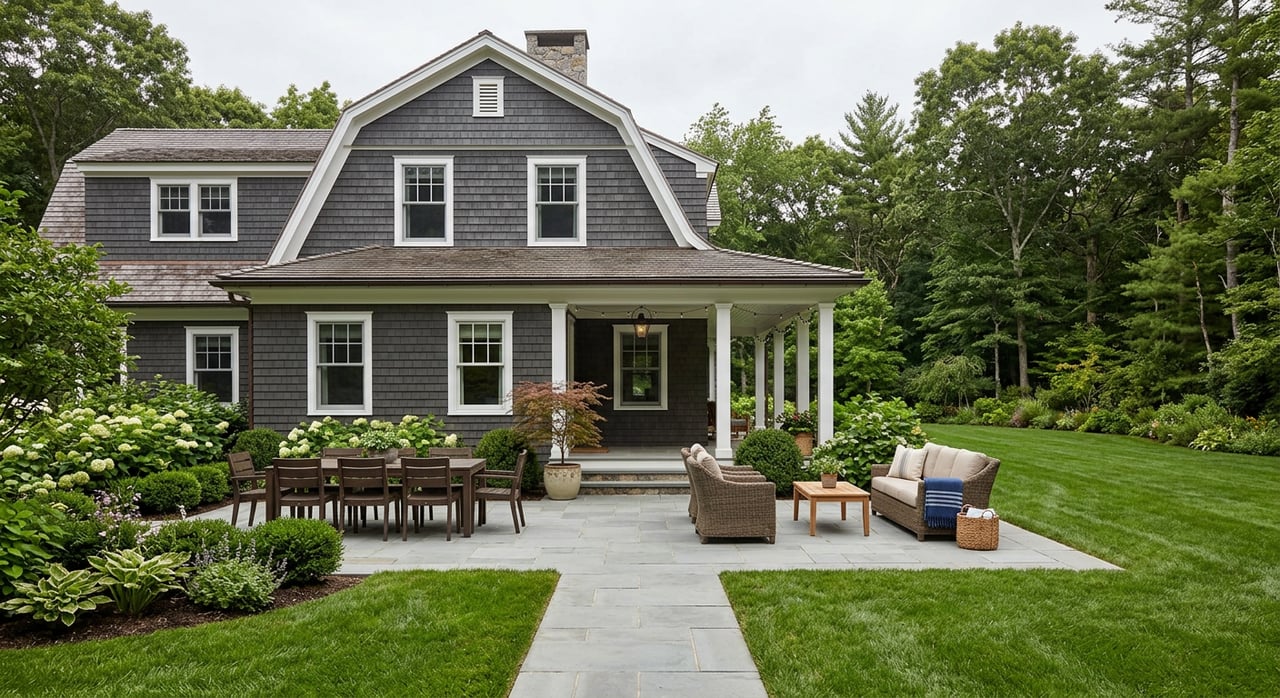
You’ll see earlier originals in smaller numbers, but many Colonials in Framingham are Colonial Revival or updated 19th- and early 20th‑century homes, often near Framingham Centre or Saxonville. Expect a symmetrical façade, gabled roof, and multi‑pane windows. Variants include Georgian detailing or a Saltbox profile with an extended rear roof slope.
Floor plans and livability
Most Colonials are two or two‑and‑a‑half stories with a center‑hall plan. First floors typically have a formal living room and dining room with a separate kitchen, while bedrooms are upstairs, often three to five. Basements are common and can offer storage or potential finished space.
In daily life, Colonials give you distinct rooms and separation between levels. If you prefer an open plan, look for homes where walls have been removed between the kitchen, dining, and family areas.
Systems, materials, and maintenance
Older examples may include plaster walls, original wood windows, and chimneys or fireplaces. In very old homes, you may encounter knob‑and‑tube wiring or limited insulation unless updated. Priority items to check include roof and chimney condition, window sash and frames, insulation and HVAC age, and any signs of settlement in very old foundations. Historic district homes may have guidelines for exterior changes.
Renovation ideas and resale
Colonials reward thoughtful updates. High‑impact projects include kitchen modernization, adding or updating baths, and improving circulation by opening to a family room. Preserving period details while modernizing core spaces tends to resonate with Framingham buyers. A properly designed first‑floor bedroom suite can broaden your buyer pool.
Cape Cod homes: what to expect
Era and character
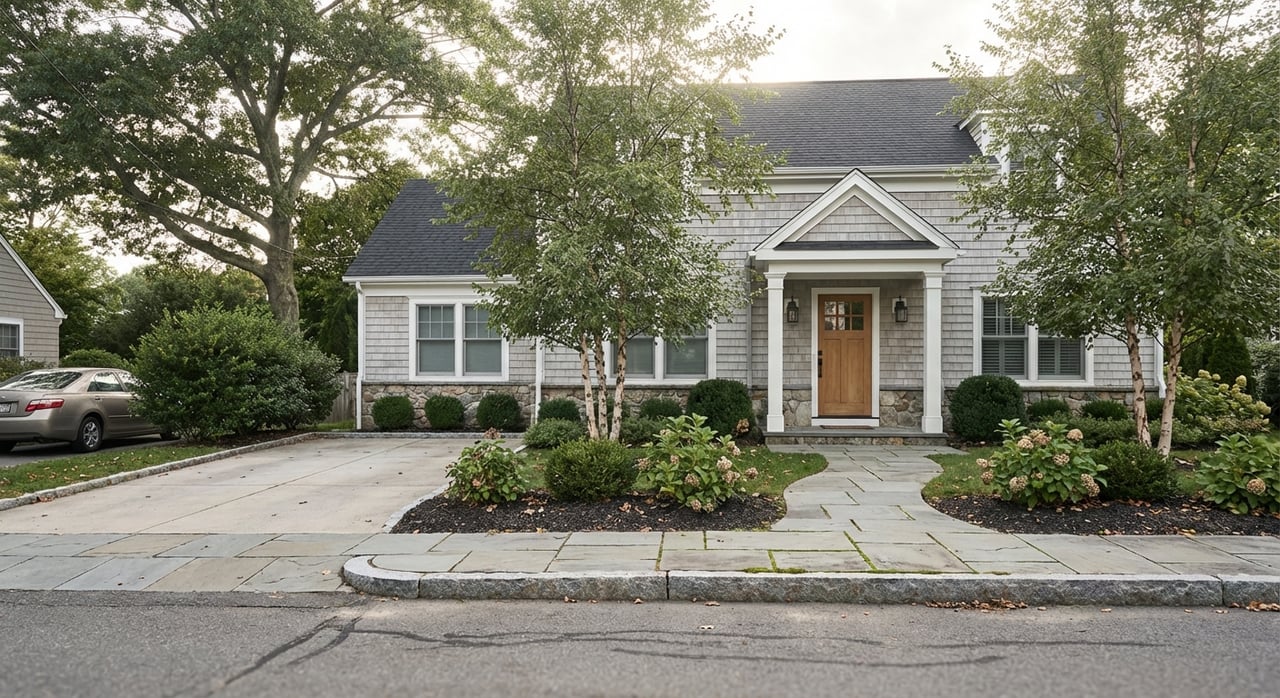
Framingham has many Capes from the 1930s through the 1950s, reflecting suburban growth before and after World War II. Exteriors are simple and compact, with a steep side‑gabled roof, a central or off‑center chimney in earlier versions, and dormers on one‑and‑a‑half‑story homes. You’ll see clapboard or shingle siding.
Layout and day‑to‑day living
Capes offer efficient footprints. A typical layout has living areas and sometimes a bedroom on the first floor, with additional bedrooms tucked under the eaves upstairs. Total bedroom count is often two to four. Basements are common and add storage or finish potential.
These homes feel cozy, but smaller kitchens and limited closet space are common. Well‑planned dormers or rear additions can create an open kitchen, add a full bath, or deliver a first‑floor suite.
Maintenance watchpoints
Focus on roof condition and flashing, especially around dormers. Evaluate foundation drainage and any signs of basement moisture. Many Capes retain original single‑pane windows and minimal insulation, so air sealing, attic improvements, and window upgrades can be smart moves. Storage space is often tight, so solutions like built‑ins or a shed can help.
Smart updates and ROI
Expanding the kitchen, adding a full bath, enlarging dormers, and building a rear addition can transform a Cape for modern living. These projects tend to offer strong returns in Framingham when executed well. If you want single‑level living, plan for a first‑floor bedroom and bath.
Ranch homes: what to expect
Era and exterior profile
Ranches are prevalent in 1950s–1970s neighborhoods across Framingham. They present as single‑story, long, and horizontal with a low‑pitched roof. Many include an attached garage and a sliding glass door to the backyard.
Single‑level layouts and light
Ranches typically deliver two to four bedrooms on one level, often three, with living, dining, and kitchen spaces that range from compartmentalized to semi‑open. Basements are common in New England and can provide mechanicals plus finish potential. Large picture windows or sliders often bring strong backyard light.
Systems and upkeep
Mid‑century builds may have older windows and less attic insulation. Heating can be forced‑air or baseboard. Inspection priorities include roof age, window condition, and HVAC updates. Basements benefit from good drainage management, and slab‑on‑grade homes require awareness of plumbing access.
Expansion paths and resale appeal
Ranches adapt well to modern living. Popular projects include opening the kitchen to the living area, finishing the basement for extra space, and curb‑appeal upgrades. If zoning and structure allow, dormers or a second story can be explored. Single‑floor living appeals to many buyers, including those planning for long‑term accessibility.
Style vs. lifestyle: choosing your fit
- Colonial: Clear separation of rooms, more stairs, and classic curb appeal. Great if you want defined spaces and upstairs bedrooms.
- Cape: Compact and flexible. Works well if you value efficiency and plan a thoughtful addition or dormer for more space.
- Ranch: True single‑level living. Ideal if you want easy access throughout and the option to finish a basement for bonus rooms.
Open house quick checks by style
Colonial quick check
- Look at chimney condition, roof age, and flashing at any dormers or ports.
- Test window operation and note insulation in attic spaces.
- Scan for uneven floors or settling in very old foundations.
Cape quick check
- Inspect dormer framing, flashing, and roof ridges.
- Confirm insulation levels and look for air leaks at kneewalls.
- Check basement moisture and overall storage capacity.
Ranch quick check
- Ask about basement waterproofing and drainage systems.
- Review HVAC age, duct sealing, and window efficiency.
- Assess roof span, garage foundation, and door operation.
Quick renovation priorities by style
- Colonial: Modernize kitchen and baths. Improve insulation and HVAC. Preserve historic trim and stair details for added appeal.
- Cape: Expand kitchen, add a full bath, and enlarge dormers. Prioritize insulation and air sealing.
- Ranch: Create an open living‑kitchen area. Finish the basement where feasible. Upgrade windows for comfort and efficiency.
Neighborhood patterns and permitting basics
Older Colonials and similar forms tend to cluster near Framingham Centre and Saxonville, often on smaller lots with walkable access to amenities. Capes are common on modest, mid‑century streets developed in the 1930s–1950s. Ranch homes dominate many post‑war subdivisions from the 1950s–1970s, sometimes on wider lots.
If you plan exterior changes, additions, or dormers, confirm building and zoning requirements early. Homes in designated historic districts may need review for exterior alterations. Zoning rules can affect second‑story additions and lot coverage. For any basement finish, confirm egress and code requirements.
Resale signals in the Framingham market
Across styles, updated kitchens and refreshed bathrooms boost value and marketability. Proximity to commuter rail, major routes, and downtown amenities typically supports demand. Ranch homes with single‑floor living attract a wide range of buyers, while well‑maintained historic details in Colonials appeal to those who value character. Expanded Capes with open plans also perform well with move‑up buyers.
When you align style, location, and thoughtful updates, you position your home to stand out in Framingham’s competitive market.
FAQs
Which Framingham home style suits a growing household?
- Colonials often offer more bedrooms and levels, while expanded Capes can work well if you’ve added a larger kitchen and extra bath.
What style is best for aging in place in Framingham?
- Ranch homes provide true single‑level living; a Cape with a first‑floor suite is a strong alternative.
Are older Colonials in Framingham expensive to maintain?
- They can be, especially with original wood siding, chimneys, and older systems; updated mechanicals and insulation help control long‑term costs.
How much can you expand a Cape or Ranch in Framingham?
- Many Capes and Ranches can handle rear additions, larger dormers, or finished basements; second stories may be possible with structural and zoning review.
Do Framingham buyers prefer historic charm or modern layouts?
- Both have audiences; many buyers value preserved character, while open, updated layouts are often preferred by move‑up buyers, with location and condition weighing heavily.
Ready to compare styles on the ground and map a smart plan to buy or renovate? Connect with Steve Leavey for data‑informed guidance and neighborhood‑level insight tailored to your goals.