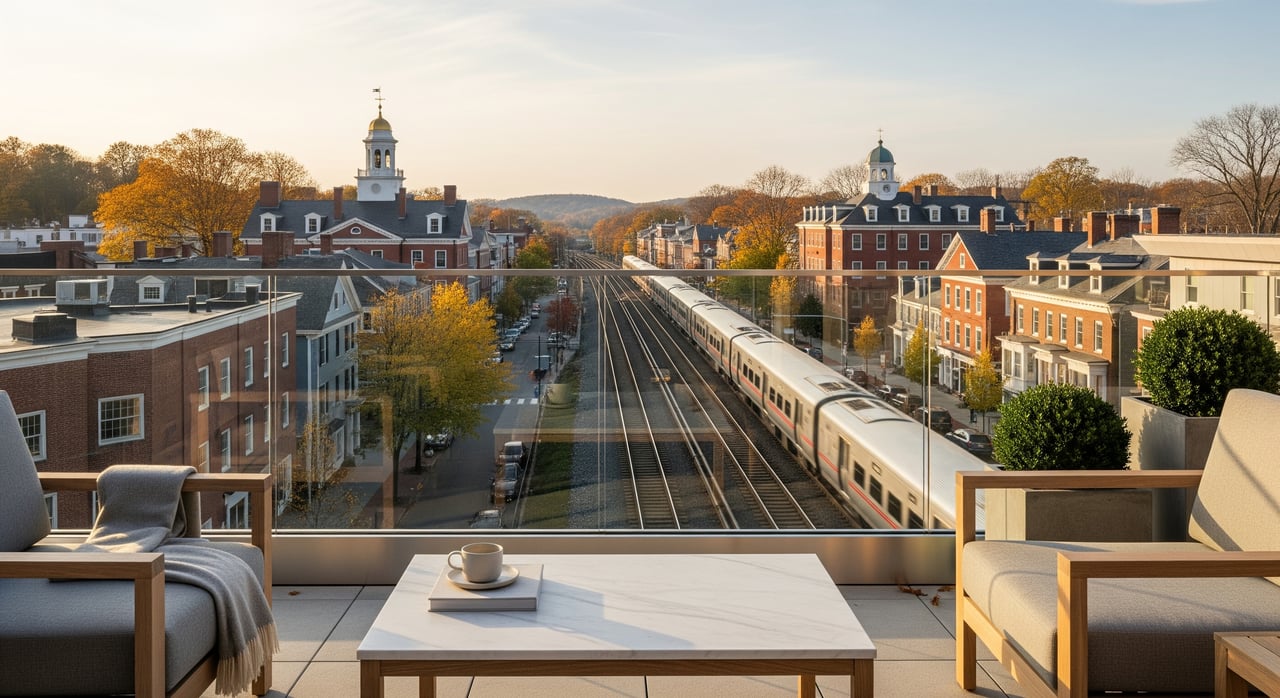
Picture your morning without a highway crawl. You step out your door, grab a coffee, and walk to the train that carries you straight into Boston. If that sounds like your ideal weekday, living near Natick Center Commuter Rail could be the lifestyle shift you want. In this guide, you will learn how the Framingham/Worcester Line serves Natick, what daily life looks like near Natick Center compared with West Natick, and how housing, parking, and commute tradeoffs shape a smart home search. Let’s dive in.
Why this rail line matters
The MBTA Framingham/Worcester Line connects Boston to MetroWest communities, including Natick. Within Natick, you have two stations: Natick Center and West Natick. Service is strongest in the peak commute direction on weekdays, while off-peak and weekend trains run less frequently. Some trains make more stops than others, so your travel time can vary by whether you catch a local or a faster service.
For many buyers, this line is more than a convenience. It can define your daily routine, your housing options, and even your budget. Think of it as an anchor for your lifestyle planning rather than a simple amenity.
Natick Center vs. West Natick at a glance
- Natick Center: The downtown core with a dense mix of shops, restaurants, civic buildings, and cultural spots. If you want to walk to coffee, dinner, the library, or events, this station area offers the most day-to-day convenience.
- West Natick: Primarily residential and lower density. Many riders drive, bike, or get dropped off here. It often suits buyers who want a quieter street and an easier drive in and out to the station.
Living near Natick Center station
Natick Center is the town’s cultural and commercial heart. Within a 5 to 10 minute walk of the station, you can reach a range of daily needs. That close-in lifestyle means you can streamline your morning routine and leave your car at home more often. Real-world walk times depend on sidewalks, crossings, and winter conditions, so it pays to test routes at the times you would actually use them.
Daily-life pros
- A quick walk to coffee, casual dining, and civic services supports a car-light routine.
- Shorter door-to-platform time helps you catch more train options.
- Consistent foot traffic and activity create a lively atmosphere near home.
Potential tradeoffs
- Homes closest to the station may see more pedestrian activity and train noise. Many buyers choose a location a few blocks away to balance convenience with quiet.
- Condos and smaller-lot homes are more common near downtown, so you may trade yard size for walkability.
- Properties within an easy walk of Natick Center often command a premium given the downtown access and rail proximity.
West Natick station living
West Natick serves a broad swath of residential neighborhoods on the west side of town. If you prioritize single-family options and a quieter feel, this area can be an excellent fit. The local walk-to-amenity set is smaller than downtown, so day-to-day errands may involve a short drive.
Daily-life pros
- Predominantly single-family streets with larger lots and more yard space compared with the downtown core.
- Many commuters use drive-and-park, drop-off, or bike-to-train routines.
- Easier in-and-out driving compared with busier downtown streets, depending on your route.
Potential tradeoffs
- Fewer dining and retail options within a short walk of the station.
- If you depend on daily parking, you will want to understand lot availability and rules in detail.
- Reverse commuting can be less frequent than peak-direction trains, so confirm schedules if you head westbound.
Parking, drop-off, and bikes
Parking is often the make-or-break factor for daily train riders. Programs and enforcement can change, so always confirm current rules. Here is what to check before you commit to a property or routine:
- Ownership and permits: Identify which lots are MBTA owned, town managed, or private, and whether they require a monthly permit or accept daily fees.
- Availability patterns: Find out when lots typically fill on weekdays and whether there is a waitlist for permits.
- Pricing and payment: Confirm permit costs versus daily rates and what forms of payment are accepted.
- Drop-off zones: Locate kiss-and-ride areas and understand time limits to avoid tickets.
- Biking options: Note whether there are bike racks or covered storage and evaluate the bike route from your home to the station.
- Overnight rules and enforcement: Check for restrictions and how they are enforced, especially if you travel occasionally and return late.
Housing near the stations
Natick offers two distinct housing landscapes tied to its stations. Understanding the mix will help you set realistic expectations as you refine your search.
Near Natick Center
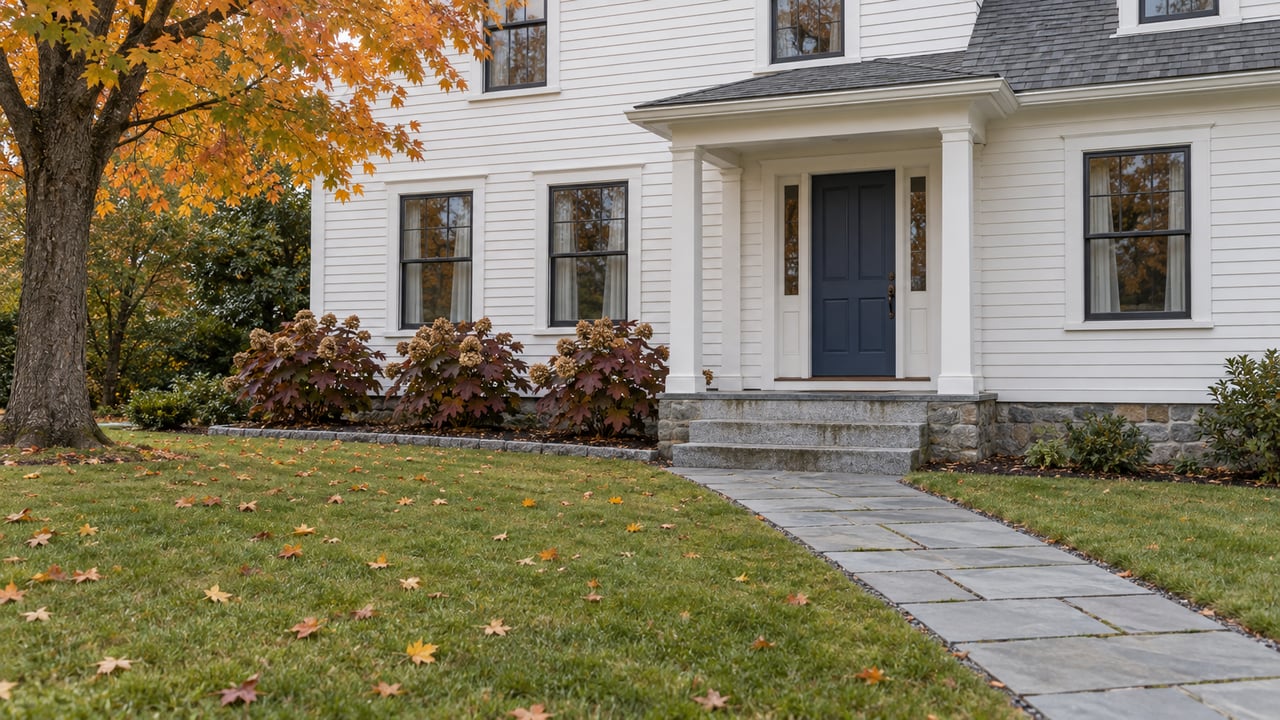
The downtown area features a higher concentration of multifamily options. You will see condos, apartments above retail, and some newer mixed-use developments. Single-family homes exist here too, often on smaller lots and sometimes in historic styles. The appeal is a rail-and-downtown lifestyle with shorter walks and an active neighborhood feel.
Near West Natick
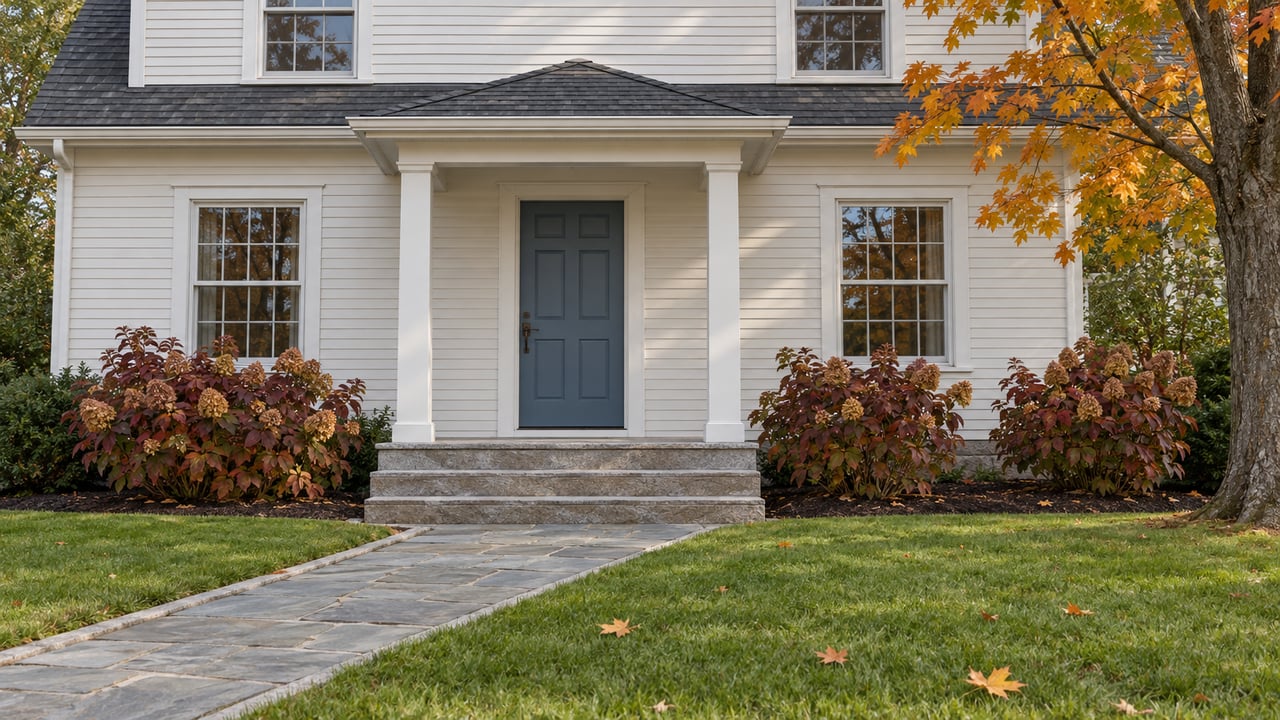
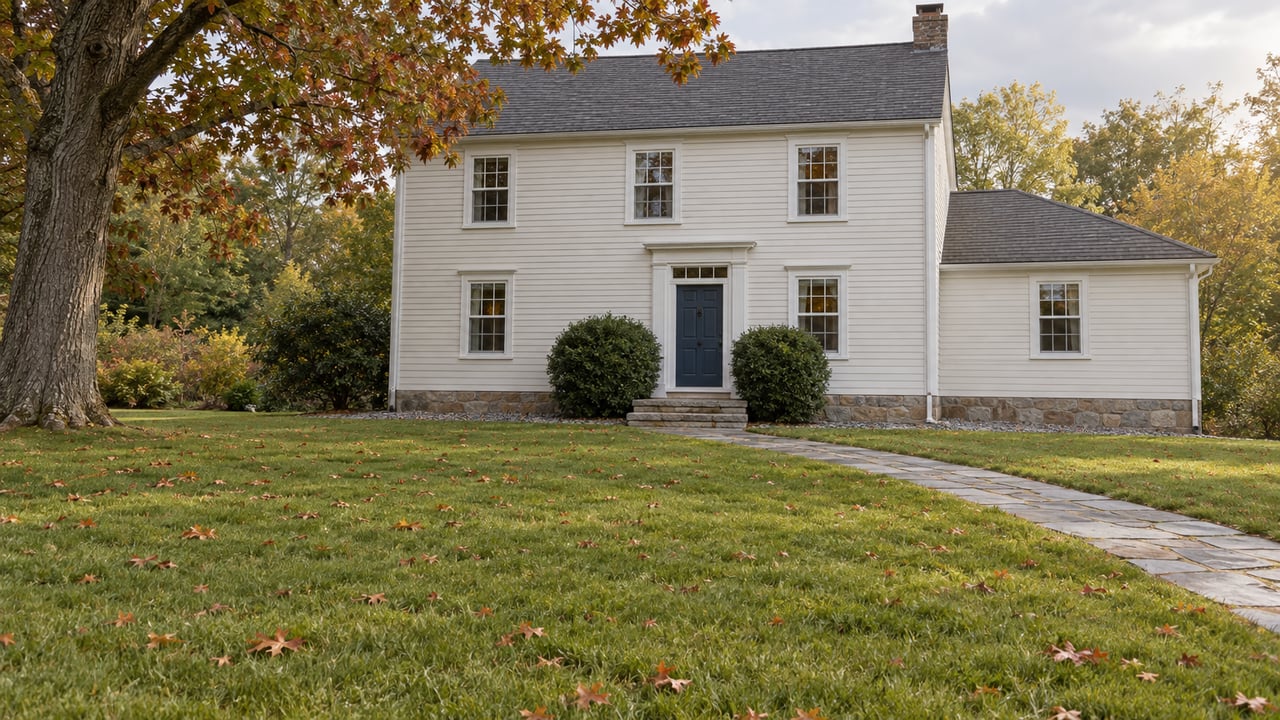
West Natick is anchored by single-family neighborhoods. Expect ranches, colonials, and other detached homes, with occasional small multifamily or duplex options nearby. Lots are generally larger than in the immediate downtown area. The tradeoff is that you may rely more on driving for errands or station access.
Price and competition
Properties within a short walk of Natick Center often attract strong interest because they offer both downtown convenience and rail proximity. If you are balancing a budget, consider widening your search to homes a half mile to one mile from the station. You may capture value while keeping your commute practical.
Commute planning tips
Your real commute is more than the time between stations. Fold these steps into your planning to build a reliable routine:
- Time your door-to-platform. Walk the route from a potential home at your typical departure time. Note sidewalks, crosswalks, and lighting.
- Check the schedule patterns. Expect more frequent service during peak hours, with fewer options off-peak and on weekends.
- Build a buffer. Weather and rail operations can add delays. A small buffer can keep you on schedule for critical meetings.
- Explore alternatives. If parking is tight, test a drop-off routine, a bike route, or a different nearby station.
- Map your evening. Try the return trip, including your walk home, so you understand winter lighting and snow removal patterns.
Buyer scenarios and smart strategies
- Prioritize walkability and Boston access: Focus on Natick Center condos, townhomes, and smaller single-family homes within an easy walk. Accept a smaller yard and a livelier streetscape in exchange for convenience.
- Want a larger yard and regular rail use: Target single-family homes within a short drive or bike ride to West Natick. Confirm parking rules and lot reliability early in your search.
- Prefer quiet but want rail access in reserve: Look at homes about 0.5 to 1.0 mile from either station. You may reduce noise while keeping the train practical for occasional trips.
How to focus your search
Use filters and keywords that match your everyday needs. For many buyers, the right wording surfaces the right homes faster.
- Proximity filters: Search within a set walking time or a specific radius of Natick Center or West Natick station.
- Rail keywords: Try “walk to train,” “near commuter rail,” “Natick Center,” and “West Natick.”
- Parking terms: Include “off-street parking,” “garage,” “permit parking available,” and “private driveway.”
- Lifestyle cues: Add “near shops/restaurants,” “downtown,” “historic district,” and “new construction” when relevant.
On-the-ground checklist for showings
Bring this list to walk-throughs near either station:
- Walk the route: Is there a continuous, well-lit sidewalk from the property to the station? Are crossings marked and convenient?
- Noise check: Visit during commuter windows to gauge train noise and pedestrian activity.
- Parking plan: If you plan to drive, where will you park and how reliable is it on weekdays?
- Winter reality: Consider snow removal on sidewalks and curb cuts along your route.
- Amenities on the way: Coffee, daycare, dry cleaning, and grocery options can streamline a tight morning.
- Service fit: Do the earliest and latest trains align with your schedule? Consider both weekday and weekend patterns.
Final thoughts
Living near Natick Center Commuter Rail is about more than catching a train. It shapes your mornings, your budget, and the way you use the town. If you crave a walkable, downtown lifestyle with rail at your doorstep, Natick Center is your hub. If you want more space and a quieter street while keeping the MBTA in your toolkit, West Natick delivers balance. The right choice depends on how you live day to day.
If you would like a tailored plan that weighs commute needs, walkability, and long-term resale, connect with Steve Leavey for a complimentary market consultation. You will get local insight, an organized search strategy, and guidance that helps you move with confidence.
FAQs
How long is the MBTA commute from Natick Center to Boston?
- Travel time varies by whether you catch a local or faster service and by time of day, so plan for a range and confirm current schedules before you ride.
Is daily parking available at Natick Center station?
- Parking options and rules can change, so verify which lots allow daily parking, whether permits are required, and typical weekday availability.
What is walkability like around Natick Center station?
- The downtown area offers the town’s most concentrated mix of shops, dining, and civic services within a short walk of the station, with real walk times shaped by sidewalks and crossings.
What home types are near Natick Center versus West Natick?
- Near Natick Center you will find more condos and mixed-use buildings plus smaller-lot single-family homes, while West Natick leans toward single-family neighborhoods with larger lots.
Are weekend trains reliable from Natick stations?
- Weekend service is less frequent than weekday peak hours and some trains may skip stops, so always review the current weekend schedule when planning trips.